2026 Policy Changes: Impact on US Small Businesses

Anúncios
Understanding the Latest 2026 Policy Changes Affecting Local Small Businesses Across the US
The landscape for small businesses in the United States is constantly evolving, driven by economic shifts, technological advancements, and, crucially, legislative reforms. As we look towards 2026, a series of significant policy changes are on the horizon, poised to reshape the operational strategies, financial planning, and compliance requirements for local small businesses nationwide. Staying informed and proactive is not just an advantage; it’s a necessity for survival and growth in an increasingly complex regulatory environment.
Anúncios
This comprehensive guide delves into the most anticipated 2026 Policy Changes, offering a detailed analysis of what these reforms entail and how they might impact your small business. From tax incentives and labor laws to environmental regulations and healthcare provisions, understanding these shifts early can provide a crucial competitive edge. Our aim is to equip you with the knowledge needed to navigate these upcoming challenges and opportunities effectively, ensuring your business remains resilient and prosperous.
Anúncios
The Shifting Sands of Tax Policy: What Small Businesses Need to Know for 2026
Taxation is often one of the most significant burdens for small businesses, and the 2026 Policy Changes are expected to bring notable adjustments. While specific details are still emerging, discussions around potential reforms include changes to corporate tax rates, deductions, and credits that directly affect pass-through entities and sole proprietorships. The goal of these reforms is often multifaceted: to stimulate economic growth, promote specific industries, or address federal budget concerns.
One area of focus could be the simplification of the tax code for small businesses. Many advocacy groups have pushed for streamlined processes and reduced paperwork, arguing that the current system disproportionately burdens smaller enterprises. If such simplifications are enacted as part of the 2026 Policy Changes, it could free up valuable resources for small business owners, allowing them to focus more on core operations and less on administrative overhead.
Furthermore, there might be new incentives for specific types of investments or activities. For instance, policies could encourage investment in green technologies, local community development, or employee training programs through targeted tax credits. Small businesses that align their strategies with these incentives could find significant financial benefits. Conversely, a failure to adapt could result in missed opportunities or even increased tax liabilities.
It’s also crucial to monitor any potential changes to the Qualified Business Income (QBI) deduction under Section 199A. This deduction has been a significant boon for many pass-through businesses, and any modifications could have substantial implications for their taxable income. Keeping abreast of legislative updates and consulting with tax professionals will be paramount to optimizing your tax strategy for 2026 and beyond.
Moreover, state and local tax policies often mirror federal changes or introduce their own unique challenges. While our focus here is on federal 2026 Policy Changes, remember that your local business operates within a broader tax ecosystem. A holistic understanding of all applicable tax laws is essential for comprehensive financial planning.
Labor Laws and Workforce Management: Adapting to New Standards
The dynamics of the American workforce are continually evolving, and labor laws frequently adapt to these changes. The 2026 Policy Changes are anticipated to introduce new regulations concerning wages, worker classification, benefits, and workplace safety. These changes are often driven by a desire to protect workers, ensure fair labor practices, and adapt to modern employment models, such as the gig economy.
One significant area to watch is potential adjustments to the federal minimum wage. An increase could directly impact the payroll costs for many small businesses, particularly those in sectors with a high proportion of entry-level positions. Businesses would need to re-evaluate their pricing structures, operational efficiencies, and hiring strategies to absorb these increased costs without compromising profitability.
Another critical aspect could be reforms related to worker classification. The distinction between employees and independent contractors has been a contentious issue, with significant implications for benefits, taxes, and legal liabilities. New guidance or stricter enforcement under the 2026 Policy Changes could necessitate a review of how your business engages its workforce, potentially leading to reclassification for some workers and associated adjustments in payroll and benefits administration.
Beyond wages and classification, expect potential updates to regulations governing employee benefits, including healthcare, paid leave, and retirement plans. While the Affordable Care Act (ACA) has established a framework for employer-provided health insurance, there could be modifications to reporting requirements, subsidy structures, or employer mandates. Similarly, an expansion of federal or state-level paid family and medical leave programs could impose new obligations on small employers.
Workplace safety standards, overseen by OSHA, are also subject to periodic review and updates. New technologies, evolving work environments, and emerging health concerns can all lead to revised safety protocols. Small businesses must ensure their workplaces comply with the latest standards to avoid penalties and, more importantly, to provide a safe environment for their employees. Proactive training and investment in safety equipment will be crucial.
Finally, anti-discrimination and harassment laws are continually refined. Businesses must ensure their policies and practices are up-to-date with the latest legal interpretations and best practices to foster an inclusive workplace and mitigate legal risks. The 2026 Policy Changes may introduce new protected classes or strengthen enforcement mechanisms, requiring businesses to update their HR policies and training programs.
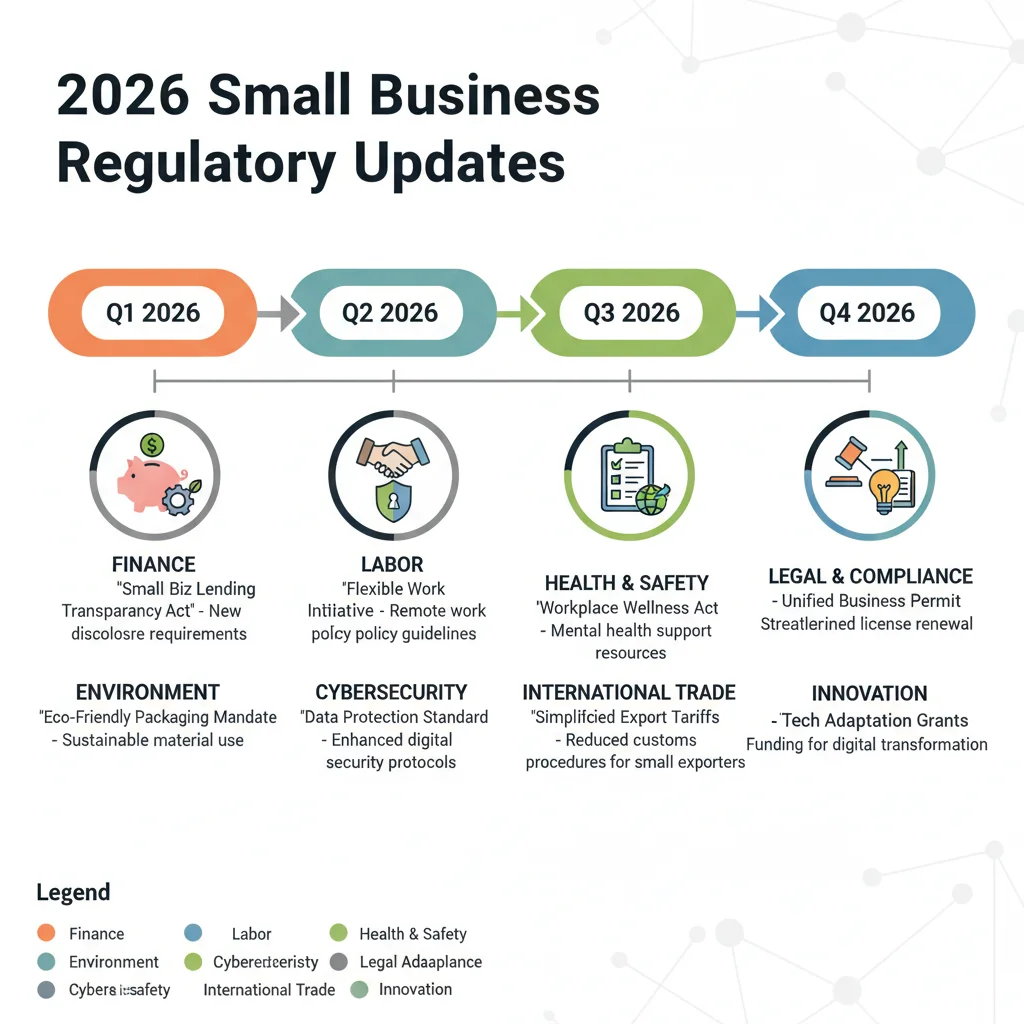
Environmental Regulations and Sustainability Initiatives
As global concerns about climate change and environmental sustainability intensify, governments at all levels are introducing policies to encourage greener practices. The 2026 Policy Changes are likely to include new or strengthened environmental regulations that could impact small businesses, particularly those in manufacturing, logistics, retail, and hospitality.
These regulations might encompass stricter waste management protocols, energy efficiency mandates, restrictions on certain materials or chemicals, and incentives for adopting renewable energy sources. For example, some states or municipalities might introduce new recycling requirements for commercial entities or offer grants for businesses that invest in solar panels or energy-efficient HVAC systems. While these changes can initially seem like a burden, they also present opportunities for cost savings and enhanced brand reputation.
Small businesses that proactively embrace sustainability can often attract environmentally conscious consumers and employees, gain access to new markets, and potentially reduce operational costs in the long run. Understanding the specific environmental 2026 Policy Changes relevant to your industry and location will be key. This could involve conducting an energy audit, reviewing supply chain practices, or exploring options for reducing your carbon footprint.
Compliance with environmental regulations is not just about avoiding fines; it’s about being a responsible corporate citizen. Many consumers now expect businesses to demonstrate a commitment to sustainability. Therefore, integrating environmentally friendly practices, even if not strictly mandated, can be a powerful differentiator in the marketplace.
Furthermore, there could be new reporting requirements related to environmental impact. Businesses might be asked to track and disclose their energy consumption, waste generation, or water usage. Establishing robust data collection and reporting systems early will ensure compliance and provide valuable insights for future sustainability initiatives.
Healthcare Policy Adjustments and Small Business Obligations
Healthcare policy is a perennially complex and evolving area, with significant implications for small businesses that provide health benefits to their employees. The 2026 Policy Changes could bring further modifications to the Affordable Care Act (ACA) or introduce new federal or state-level healthcare initiatives.
Potential changes might include adjustments to employer mandate thresholds, modifications to the types of plans that qualify for coverage, or new reporting requirements. Small businesses that employ 50 or more full-time equivalent employees are currently subject to the employer mandate, requiring them to offer affordable health coverage. Any alterations to this threshold or the definition of ‘affordable’ could significantly impact compliance costs and strategies.
Beyond mandates, there could be new incentives or programs designed to help small businesses afford health insurance for their employees. This might involve expanding tax credits for small employers or creating new state-run marketplaces specifically tailored to smaller group plans. Exploring these options will be vital for managing healthcare costs while still attracting and retaining talent.
The rising cost of healthcare premiums continues to be a major concern for small business owners. As part of the 2026 Policy Changes, there may be efforts to control these costs through regulatory measures, increased transparency requirements for healthcare providers, or initiatives promoting preventive care. Staying informed about these potential developments will allow businesses to make more informed decisions about their employee benefits packages.
Additionally, mental health parity laws are increasingly a focus. Businesses must ensure that mental health and substance use disorder benefits are offered at a parity with medical and surgical benefits. Any new legislation in this area could require a review of existing health plans to ensure full compliance.

Data Privacy and Cybersecurity Regulations: A Growing Concern
In our increasingly digital world, data privacy and cybersecurity are paramount. The 2026 Policy Changes are expected to include new or strengthened regulations aimed at protecting consumer data and securing digital infrastructure. Small businesses, often seen as easier targets than large corporations, must be particularly vigilant.
New federal privacy laws, potentially mirroring aspects of the California Consumer Privacy Act (CCPA) or the European Union’s GDPR, could impose stricter requirements on how businesses collect, store, process, and protect customer data. This would involve updating privacy policies, implementing robust data security measures, and potentially providing consumers with more control over their personal information.
For small businesses, compliance can be challenging due to limited resources. However, the cost of non-compliance, in terms of fines, reputational damage, and legal fees, can be far greater. Investing in cybersecurity training for employees, implementing strong encryption, regularly backing up data, and using secure payment processing systems will be critical.
Furthermore, there might be industry-specific cybersecurity regulations. Businesses in healthcare (HIPAA), finance, or retail often face additional compliance burdens. The 2026 Policy Changes could expand the scope of these regulations or introduce new ones for other sectors. Proactive engagement with cybersecurity experts and legal counsel specializing in data privacy will be invaluable.
Beyond compliance, strong cybersecurity practices build customer trust. In an era of frequent data breaches, consumers are increasingly choosing to do business with companies that demonstrate a clear commitment to protecting their personal information. Making cybersecurity a core part of your business strategy can therefore be a significant competitive advantage.
Understanding Supply Chain and Trade Policy Shifts
Global events have underscored the fragility and importance of robust supply chains. The 2026 Policy Changes may include initiatives aimed at strengthening domestic supply chains, diversifying sourcing, and adjusting trade policies. While these policies primarily affect larger corporations, small businesses integrated into these supply chains will feel the ripple effects.
For instance, incentives for ‘reshoring’ manufacturing or sourcing components domestically could create new opportunities for local suppliers. Conversely, new tariffs or trade agreements could alter the cost of imported goods, affecting businesses that rely on international components or products. Small businesses should assess their supply chain vulnerabilities and explore alternative sourcing strategies.
There may also be increased scrutiny on ethical sourcing and labor practices within supply chains. Consumers and regulators are increasingly demanding transparency. Small businesses that can demonstrate a commitment to ethical and sustainable sourcing throughout their supply chain may gain a competitive advantage.
The 2026 Policy Changes could also impact international trade agreements, which, while seemingly distant, can have profound effects on the cost of goods and raw materials. Businesses that import or export goods should stay informed about these developments to anticipate potential cost fluctuations or market shifts.
Financial Regulations and Access to Capital for Small Businesses
Access to capital is the lifeblood of small businesses, and financial regulations play a crucial role in shaping lending environments. The 2026 Policy Changes could introduce new regulations affecting banks and other lending institutions, which in turn might impact the availability or terms of small business loans.
Potential reforms could focus on stimulating lending to underserved communities, streamlining the application process for small business loans, or providing new guarantees for lenders. The Small Business Administration (SBA) often plays a key role in facilitating access to capital, and its programs could see modifications or expansions.
Additionally, there might be new regulations concerning financial transparency or consumer protection within lending. Small businesses should be aware of their rights and responsibilities when seeking financing and ensure they are dealing with reputable lenders. Understanding the fine print of loan agreements will be more critical than ever.
Furthermore, discussions around digital currencies and financial technology (FinTech) are ongoing. While direct impacts on small business lending might not be immediate, the broader financial landscape is shifting, and future 2026 Policy Changes could begin to address these emerging areas, potentially creating new avenues for financing or payment processing.
Preparing Your Small Business for 2026 Policy Changes
The prospect of numerous 2026 Policy Changes can seem daunting, but proactive preparation can transform potential challenges into opportunities. Here’s a strategic approach to ensure your business is ready:
- Stay Informed: Regularly consult reliable sources for legislative updates, such as government agency websites (SBA, IRS, DOL, EPA), reputable business news outlets, and industry associations. Subscribe to newsletters and alerts to receive timely information.
- Conduct a Comprehensive Review: Assess your current operations across all relevant areas: financial, human resources, supply chain, technology, and environmental practices. Identify areas that might be most affected by the anticipated policy shifts.
- Consult Experts: Engage with professionals – tax accountants, legal counsel specializing in business law, HR consultants, and cybersecurity experts. Their insights can help you interpret complex regulations and develop tailored compliance strategies.
- Financial Planning: Reforecast your budgets and financial projections to account for potential changes in taxes, labor costs, and compliance expenses. Explore opportunities for new grants, loans, or tax credits that may arise from the 2026 Policy Changes.
- Update Policies and Procedures: Revise employee handbooks, privacy policies, safety protocols, and operational guidelines to align with new legal requirements. Ensure your staff is trained on any new procedures.
- Embrace Technology: Leverage technology to streamline compliance, improve data security, and enhance operational efficiency. Cloud-based accounting software, HR management systems, and cybersecurity tools can be invaluable.
- Build a Resilient Supply Chain: Diversify your suppliers and explore local sourcing options to mitigate risks associated with potential trade policy changes or supply chain disruptions.
- Advocate for Your Business: Join local business associations or industry groups that advocate for small business interests. Collective voices can influence legislative outcomes and ensure your concerns are heard.
- Prioritize Employee Well-being: Even with potential new mandates, investing in employee health, safety, and development can lead to higher productivity, lower turnover, and a more engaged workforce, ultimately benefiting your bottom line.
Conclusion: Navigating the Future with Confidence
The upcoming 2026 Policy Changes present a dynamic environment for local small businesses across the US. While these reforms will undoubtedly introduce new challenges, they also bring forth opportunities for innovation, efficiency improvements, and sustainable growth. By staying informed, seeking expert advice, and proactively adapting your business strategies, you can not only ensure compliance but also position your enterprise for long-term success.
The key is to view these policy shifts not as obstacles, but as catalysts for positive change. Embrace the chance to refine your operations, strengthen your workforce, and enhance your competitive edge. With careful planning and a forward-thinking mindset, your small business can navigate the complexities of 2026 and thrive in the evolving economic landscape.