Building Resilience: 6 Practical Steps to Navigate 2026’s Challenges with Greater Ease

Anúncios
Building Resilience: 6 Practical Steps to Navigate 2026’s Challenges with Greater Ease
Anúncios
As we stand on the precipice of 2026, the global landscape continues to evolve at an unprecedented pace. From technological advancements to socio-economic shifts and environmental concerns, the coming year promises a unique set of challenges and opportunities. In such a dynamic environment, the ability to adapt, recover, and thrive in the face of adversity – what we call building resilience 2026 – becomes not just a desirable trait, but an essential life skill. This comprehensive guide will delve into six practical steps you can take to cultivate robust resilience, ensuring you navigate the complexities of 2026 with greater ease and confidence.
Resilience is more than just bouncing back; it’s about growing stronger through hardship. It’s the psychological and emotional capacity to cope with crises and return to pre-crisis status quickly. For many, 2026 might bring unforeseen stresses, demanding a robust internal framework to prevent burnout and maintain well-being. By proactively engaging in strategies for building resilience 2026, you equip yourself with the tools to not only survive but truly flourish, irrespective of external circumstances.
Anúncios
Understanding the Importance of Building Resilience in a Changing World
The world is increasingly interconnected and volatile. Economic downturns, public health crises, political instability, and rapid technological disruption are no longer anomalies but rather recurring features of our modern existence. These external pressures can take a significant toll on our mental and emotional health, leading to stress, anxiety, and even depression if not managed effectively. Therefore, understanding and actively pursuing building resilience 2026 is paramount for individual well-being and collective societal strength.
Resilience fosters mental fortitude, allowing individuals to maintain a positive outlook even when confronted with setbacks. It enhances problem-solving skills, promotes emotional regulation, and strengthens interpersonal relationships. In a professional context, resilient individuals are better equipped to handle workplace stress, adapt to new roles, and drive innovation. Personally, it means navigating life’s inevitable ups and downs without being derailed, maintaining a sense of purpose and control.
Consider the cumulative effect of minor stresses over time. Without resilience, these can chip away at our strength, leaving us vulnerable. With a focus on building resilience 2026, however, we can transform these challenges into opportunities for growth, learning, and self-discovery. It’s about developing an internal compass that guides us through stormy seas, always pointing towards recovery and strength.
Step 1: Cultivate Mindfulness and Emotional Awareness
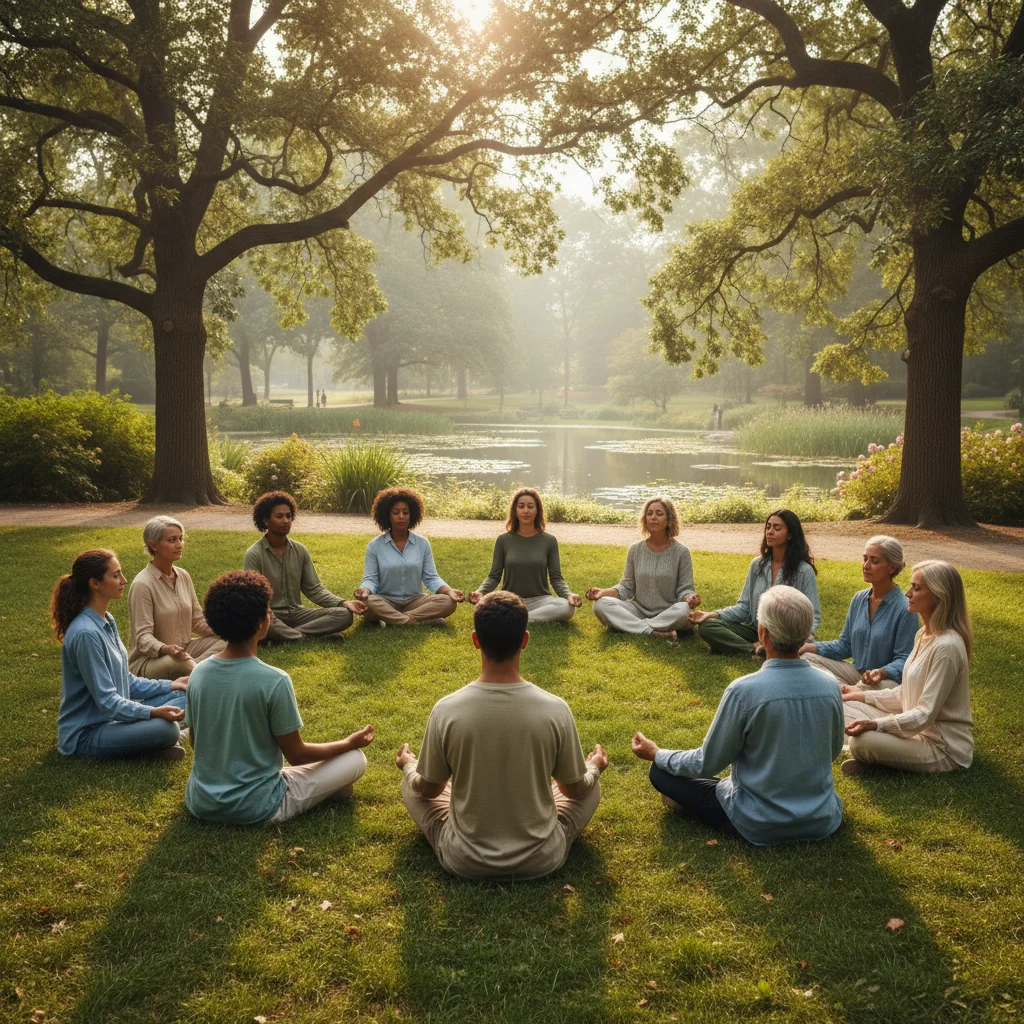
The first crucial step in building resilience 2026 is to develop a heightened sense of mindfulness and emotional awareness. Mindfulness is the practice of being present in the moment, observing your thoughts and feelings without judgment. Emotional awareness involves recognizing and understanding your own emotions and how they influence your thoughts and behavior.
Practice Daily Mindfulness Meditation
Integrating a daily mindfulness meditation practice can significantly enhance your resilience. Even 10-15 minutes a day can make a profound difference. Focus on your breath, observe sensations in your body, and acknowledge thoughts as they arise without getting entangled in them. This practice helps to create a mental space between stimulus and response, allowing you to react more thoughtfully rather than impulsively.
Journaling for Emotional Clarity
Journaling is an excellent tool for gaining emotional awareness. Regularly writing down your thoughts, feelings, and experiences can help you identify patterns, understand triggers, and process difficult emotions. It provides an outlet for stress and can lead to valuable insights into your inner world. When you understand what you’re feeling and why, you’re better equipped to manage those emotions effectively.
Body Scan Meditation
Another powerful mindfulness technique is the body scan meditation. This involves systematically bringing your attention to different parts of your body, noticing any sensations without trying to change them. This practice helps to connect your mind and body, increasing awareness of physical manifestations of stress and tension, and allowing for release.
By cultivating mindfulness and emotional awareness, you build a stronger foundation for building resilience 2026, enabling you to navigate emotional turbulence with greater calm and clarity.
Step 2: Develop Strong Social Connections and Support Networks
Humans are inherently social beings, and strong social connections are a cornerstone of resilience. Having a robust support network provides a sense of belonging, offers practical assistance during tough times, and acts as a buffer against stress. This step is vital for building resilience 2026 as it ensures you don’t face challenges alone.
Nurture Existing Relationships
Invest time and energy into your existing relationships with family, friends, and colleagues. Regularly connect with loved ones, share your experiences, and offer support in return. These relationships provide emotional sustenance and a sense of security. Make an effort to be present and engaged when interacting with others, truly listening and empathizing.
Seek Out New Connections
While nurturing existing bonds is important, also be open to forming new connections. Join clubs, volunteer groups, or professional networks that align with your interests. Expanding your social circle exposes you to different perspectives and can introduce you to individuals who offer new forms of support and inspiration. Online communities can also provide valuable connections, especially for those with niche interests or circumstances.
Practice Active Listening and Empathy
Being a good listener and showing empathy are crucial for strengthening social bonds. When others feel heard and understood, trust deepens, and relationships become more robust. These skills are not only beneficial for others but also for yourself, as they enhance your emotional intelligence and ability to connect on a deeper level.
A strong support system is like a safety net, catching you when you stumble and helping you regain your footing. Prioritizing social connections is an indispensable part of building resilience 2026.
Step 3: Embrace a Growth Mindset and Adaptability
A growth mindset, the belief that your abilities and intelligence can be developed through dedication and hard work, is a powerful catalyst for resilience. Coupled with adaptability, it allows you to view challenges not as insurmountable obstacles but as opportunities for learning and growth. This perspective is fundamental for building resilience 2026, especially in a rapidly changing world.
View Challenges as Learning Opportunities
Instead of being discouraged by setbacks, reframe them as learning experiences. Ask yourself: What can I learn from this? How can I do things differently next time? This shift in perspective transforms failures into stepping stones for future success. It fosters a sense of agency and reduces the fear of making mistakes.
Cultivate Flexibility and Open-mindedness
Rigidity can be a significant barrier to resilience. In 2026, things will undoubtedly change, and the ability to be flexible in your plans and open to new ideas will be invaluable. Be willing to adjust your strategies, explore alternative solutions, and embrace uncertainty. Practice letting go of expectations and being present with what is.
Develop Problem-Solving Skills
Proactively work on your problem-solving abilities. When faced with a challenge, break it down into smaller, manageable steps. Brainstorm various solutions, evaluate their pros and cons, and be prepared to iterate. The more confident you become in your ability to solve problems, the more resilient you will be when new ones arise.
Embracing a growth mindset and adaptability empowers you to navigate the unknown with curiosity and courage, making it a cornerstone of building resilience 2026.
Step 4: Prioritize Physical Well-being
The connection between physical and mental health is undeniable. A healthy body provides a strong foundation for a resilient mind. Neglecting your physical well-being can deplete your energy reserves, making it harder to cope with stress and challenges. Therefore, prioritizing physical health is a non-negotiable step for building resilience 2026.
Regular Exercise
Engage in regular physical activity. Exercise is a powerful stress reducer, mood booster, and cognitive enhancer. Aim for at least 30 minutes of moderate-intensity exercise most days of the week. This could include walking, jogging, cycling, swimming, or strength training. Find an activity you enjoy to make it sustainable.
Balanced Nutrition
Fuel your body with nutritious foods. A balanced diet rich in fruits, vegetables, whole grains, and lean proteins provides the essential nutrients your brain and body need to function optimally. Avoid excessive sugar, processed foods, and unhealthy fats, which can negatively impact mood and energy levels.
Adequate Sleep
Sleep is crucial for both physical and mental restoration. Chronic sleep deprivation can impair cognitive function, emotional regulation, and stress response. Aim for 7-9 hours of quality sleep per night. Establish a consistent sleep schedule, create a relaxing bedtime routine, and optimize your sleep environment.
Manage Stress Through Relaxation Techniques
Incorporate relaxation techniques into your daily routine. This could include deep breathing exercises, yoga, progressive muscle relaxation, or spending time in nature. These practices help to activate the parasympathetic nervous system, counteracting the effects of stress and promoting a sense of calm.
By taking care of your physical body, you are simultaneously fortifying your mind, making this a critical component of building resilience 2026.
Step 5: Set Realistic Goals and Take Action
Feeling a sense of purpose and making progress towards meaningful goals can significantly boost resilience. When you have a clear direction and take consistent action, you feel more in control of your life and better equipped to handle obstacles. This proactive approach is key for building resilience 2026.
Define Achievable Goals
Set clear, specific, and realistic goals for yourself, both short-term and long-term. Break larger goals down into smaller, manageable steps. This makes them less daunting and provides a roadmap for progress. Celebrate small victories along the way to maintain motivation.
Take Consistent Action
Don’t wait for the perfect moment; take action, even small steps, towards your goals every day. Inaction can lead to feelings of helplessness and stagnation. Consistent effort, no matter how minor, builds momentum and reinforces a sense of accomplishment.
Focus on What You Can Control
In times of uncertainty, it’s easy to get overwhelmed by things beyond your control. Instead, redirect your energy to what you can influence. This might involve focusing on your daily routines, your reactions to situations, or your personal development. This shift in focus empowers you and reduces feelings of powerlessness.
Learn from Setbacks and Adjust
Not every plan will go perfectly, and setbacks are inevitable. When they occur, don’t dwell on them. Instead, analyze what went wrong, adjust your approach, and keep moving forward. This iterative process is a hallmark of resilient individuals and essential for building resilience 2026.
By setting realistic goals and consistently working towards them, you cultivate a sense of purpose and efficacy that strengthens your ability to cope with life’s challenges.

Step 6: Practice Self-Compassion and Self-Care
The final, yet equally vital, step in building resilience 2026 is to practice self-compassion and prioritize self-care. In our fast-paced world, it’s easy to be overly critical of ourselves and neglect our own needs. However, treating yourself with kindness and actively tending to your well-being are fundamental for sustained resilience.
Be Kind to Yourself
When you face difficulties or make mistakes, treat yourself with the same kindness and understanding you would offer a good friend. Avoid harsh self-criticism and negative self-talk. Recognize that imperfection is part of the human experience and that everyone struggles at times.
Prioritize Self-Care Activities
Identify activities that replenish your energy and bring you joy, and make time for them regularly. This could be reading a book, listening to music, spending time in nature, pursuing a hobby, or simply taking a relaxing bath. Self-care is not selfish; it’s essential for maintaining your mental and emotional reserves.
Set Healthy Boundaries
Learn to say no to commitments that overextend you and protect your time and energy. Setting healthy boundaries with others, and with your own expectations, prevents burnout and allows you to preserve your resources for what truly matters. This includes disconnecting from technology when needed.
Seek Professional Help When Needed
There’s no shame in seeking professional support when you’re struggling. Therapists, counselors, and coaches can provide valuable tools and strategies for coping with stress, trauma, and mental health challenges. Recognizing when you need help and actively seeking it is a sign of strength, not weakness, and a crucial aspect of building resilience 2026.
By embracing self-compassion and self-care, you build a sustainable foundation for resilience, ensuring you can continue to navigate life’s challenges with grace and strength.
Integrating Resilience Practices into Your Daily Life for 2026
Successfully building resilience 2026 isn’t about implementing these steps perfectly all at once, but rather integrating them consistently into your daily life. It’s a continuous process of learning, adapting, and growing. Start small, pick one or two areas to focus on, and gradually build from there. Consistency is far more important than intensity.
Consider creating a daily or weekly routine that incorporates elements from each step. Perhaps you start your day with a short mindfulness meditation, connect with a loved one during your lunch break, engage in physical activity in the evening, and end your day with some reflective journaling. The key is to make these practices habitual, so they become second nature.
Remember that resilience is not about avoiding pain or difficulty; it’s about developing the capacity to navigate those experiences without being overwhelmed. It’s about cultivating an inner strength that allows you to bounce back, learn, and grow from adversity. As 2026 unfolds, the world will present its unique set of circumstances. By actively focusing on building resilience 2026, you empower yourself to face whatever comes with courage, adaptability, and an unwavering spirit.
Conclusion: Your Resilient Future in 2026
In conclusion, building resilience 2026 is an investment in your future well-being and success. By adopting these six practical steps – cultivating mindfulness and emotional awareness, developing strong social connections, embracing a growth mindset and adaptability, prioritizing physical well-being, setting realistic goals and taking action, and practicing self-compassion and self-care – you equip yourself with an invaluable toolkit to navigate the complexities and uncertainties of the coming year. These aren’t just theoretical concepts; they are actionable strategies that, with consistent effort, will transform your ability to cope with stress, overcome setbacks, and thrive in an ever-changing world.
The journey of resilience is personal and ongoing. There will be days when it feels challenging, and that’s perfectly normal. The most important thing is to remain committed to your growth, to be kind to yourself through the process, and to celebrate every step of progress. As you embark on building resilience 2026, remember that you possess an incredible capacity for strength and adaptation. Embrace these practices, and look forward to a year where you not only endure but truly flourish, emerging stronger and more capable than ever before.