7-Day Digital Detox: Reclaim 2 Hours Daily for Better Sleep Quality in 2026
Anúncios
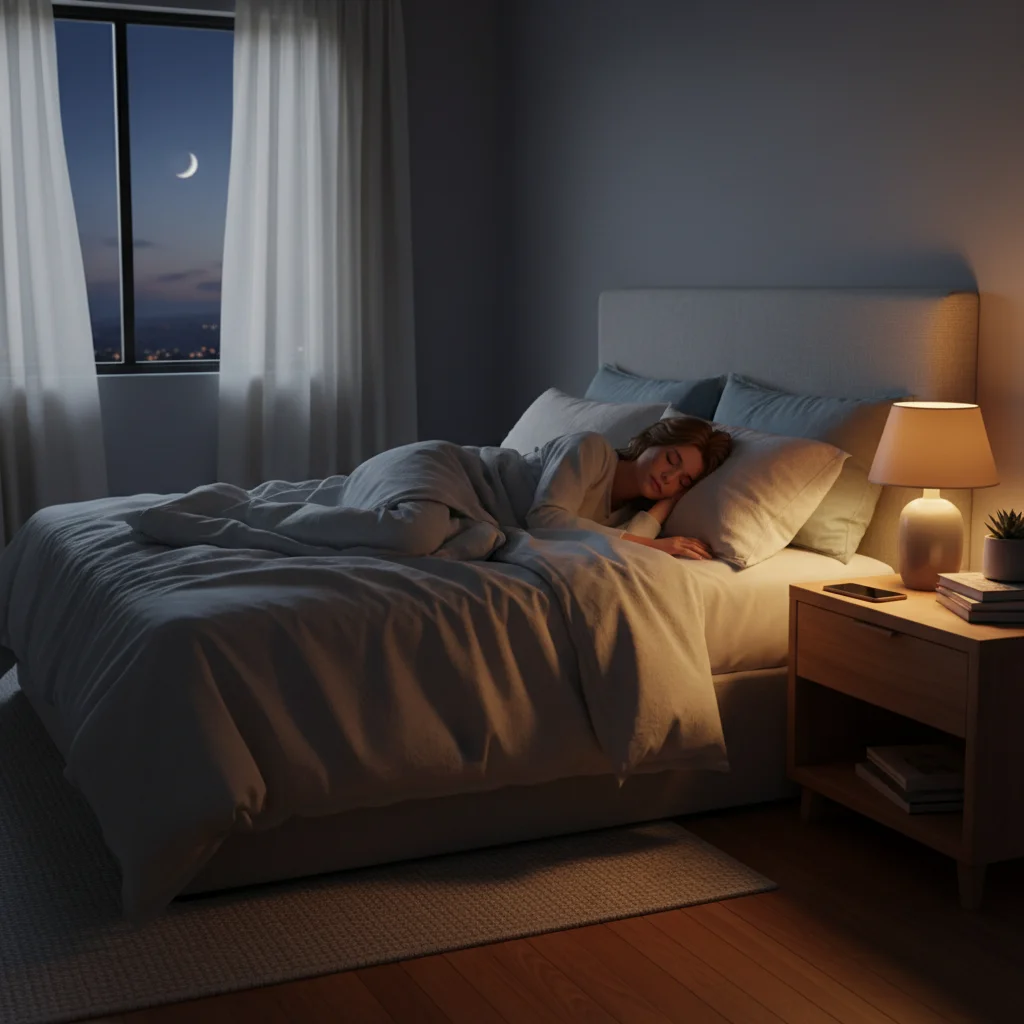
In an increasingly hyper-connected world, the lines between work, leisure, and rest have become irrevocably blurred. Our smartphones, tablets, and laptops, while offering unparalleled convenience and access to information, have also become silent saboteurs of our most fundamental human need: sleep. The constant barrage of notifications, endless scrolling, and blue light exposure before bed are significantly impacting our sleep architecture, leading to widespread sleep deprivation. But what if there was a way to reclaim not just minutes, but hours, of your day, leading to profoundly better sleep? This article will guide you through a comprehensive 7-Day Digital Detox designed to help you reclaim at least two hours daily, translating directly into enhanced sleep quality by 2026.
The concept of a digital detox sleep improvement strategy isn’t new, but its urgency has never been greater. As technology continues to advance, so does our reliance on it, often at the expense of our well-being. This isn’t about abandoning technology entirely, but rather about cultivating a mindful relationship with it. By strategically disengaging from our devices, we can unlock a cascade of benefits, with improved sleep being one of the most significant. Let’s delve into why this is crucial and how you can successfully implement this transformative journey.
Anúncios
Understanding the Impact of Digital Overload on Sleep
Before we embark on our 7-Day Digital Detox, it’s essential to understand the insidious ways digital overload undermines our sleep. The primary culprits are multifaceted, ranging from the physiological to the psychological.
Anúncios
Blue Light Exposure: The Melatonin Disruptor
One of the most well-documented impacts is the effect of blue light emitted from screens. Our bodies have an internal clock, the circadian rhythm, which regulates our sleep-wake cycle. Melatonin, a hormone produced by the pineal gland, plays a crucial role in signaling to our bodies that it’s time to sleep. Blue light, particularly in the evening, suppresses melatonin production. This suppression tricks our brain into thinking it’s still daytime, delaying sleep onset and disrupting the natural rhythm. Even a few minutes of screen time before bed can significantly push back your internal clock, making it harder to fall asleep and achieve deep, restorative sleep. This direct interference with our sleep hormones is a major reason why prioritizing a digital detox sleep strategy is vital.
Cognitive Arousal: The Endless Scroll
Beyond blue light, the content we consume on our devices also plays a significant role. Engaging with stimulating content – be it work emails, social media feeds, or thrilling videos – keeps our minds active and alert. This cognitive arousal makes it difficult for our brains to wind down and transition into a restful state. Our brains are constantly processing information, solving problems, and reacting to stimuli. When we bring this level of mental engagement into the bedroom, we effectively tell our brains to stay awake and continue working, directly counteracting the relaxation needed for sound sleep. Breaking this cycle is a core objective of the 7-Day Digital Detox.
Notification Anxiety: The Fear of Missing Out (FOMO)
The constant ding and buzz of notifications create a subtle but persistent anxiety. Even when we’re not actively using our phones, the mere presence of them, coupled with the anticipation of an incoming message or alert, keeps our minds in a state of hyper-vigilance. This ‘notification anxiety’ can elevate stress hormones like cortisol, making it harder to relax and fall asleep. Furthermore, waking up to check notifications in the middle of the night fragments sleep, preventing us from entering deeper, more restorative sleep stages. Addressing this anxiety is a key component of improving your digital detox sleep.
Reduced Physical Activity and Time for Relaxation
The more time we spend tethered to our devices, the less time we have for activities that naturally promote sleep, such as physical exercise, reading a physical book, spending time in nature, or engaging in relaxing hobbies. These activities help regulate our circadian rhythm, reduce stress, and prepare our bodies for sleep. A digital-heavy lifestyle often leads to a sedentary existence, which can negatively impact sleep quality. Reclaiming those lost hours through a digital detox sleep plan allows us to reintegrate these beneficial habits into our daily routines.
The 7-Day Digital Detox: A Step-by-Step Guide to Reclaim Your Sleep
This 7-Day Digital Detox is designed to be progressive, allowing you to gradually reduce your reliance on devices and build healthier habits. Remember, the goal is not perfection, but progress and a sustainable shift towards better sleep. By following these steps, you’ll be well on your way to reclaiming two hours daily and experiencing significantly better sleep quality by 2026.
Day 1: Awareness and Assessment – The Digital Audit
The first step in any successful detox is understanding your current consumption. For one full day, meticulously track your screen time. Use your phone’s built-in screen time tracker or a third-party app. Note down:
- Total screen time.
- Time spent on specific apps (social media, news, entertainment).
- When you pick up your phone first thing in the morning.
- When you last use your phone before bed.
- Any instances of ‘mindless scrolling.’
This audit will provide a clear picture of your digital habits and highlight areas where you can easily cut back. Don’t judge yourself; simply observe. This awareness is the foundation for improving your digital detox sleep.
Day 2: The Morning Moratorium – Reclaim Your Dawn
Today, implement a ‘no phone for the first hour’ rule. Instead of immediately reaching for your device, engage in a different activity. This could be:
- Drinking a glass of water and stretching.
- Meditating or journaling.
- Reading a physical book or newspaper.
- Having a screen-free breakfast with family.
This simple change can dramatically shift your morning mindset, reducing anxiety and setting a more peaceful tone for the day. You’ll be surprised how much more present and focused you feel. This is the first step in reclaiming those valuable hours and setting the stage for better digital detox sleep.
Day 3: The Evening Wind-Down – Protecting Your Sleep Window
Today, establish a ‘no screens for two hours before bed’ rule. This means no phones, tablets, laptops, or even TV. Replace these activities with:
- Reading a physical book.
- Listening to calming music or a podcast.
- Taking a warm bath.
- Engaging in light stretching or yoga.
- Talking with loved ones.
This is arguably the most critical step for improving your digital detox sleep. By eliminating blue light and cognitive stimulation, you allow your body to naturally produce melatonin and prepare for sleep. You’ll likely notice falling asleep faster and experiencing deeper sleep.
Day 4: Notification Control and App Pruning
Take control of your notifications. Go through your phone settings and turn off all non-essential notifications. For most apps, you only need notifications for direct messages or calls. Consider deleting apps that are major time sinks or anxiety triggers (e.g., certain social media apps). If you’re not ready to delete, move them to a less accessible folder on your phone. This reduces the constant pull of your device and helps alleviate notification anxiety, contributing positively to your digital detox sleep efforts.

Day 5: Designating Digital-Free Zones and Times
Identify specific areas or times in your day/home that will be completely digital-free. Common examples include:
- The bedroom (no phones allowed).
- Mealtimes (family dinner without devices).
- During conversations with others.
- During walks in nature.
By creating these boundaries, you establish clear expectations for yourself and others, fostering more present interactions and reducing the constant urge to check your phone. These dedicated screen-free periods are essential for a successful digital detox sleep strategy.
Day 6: Reintroducing Analog Activities – Rediscover Hobbies
With the time you’ve reclaimed, actively reintroduce or discover analog hobbies. This could be:
- Gardening.
- Painting or drawing.
- Playing a musical instrument.
- Cooking or baking.
- Engaging in sports or outdoor activities.
These activities are not only enjoyable but also provide a sense of accomplishment and reduce stress, all of which are conducive to better sleep. This day emphasizes using your newly found time effectively to enhance your well-being and solidify your digital detox sleep habits.
Day 7: Reflect and Refine – Sustainable Digital Habits
On your final day, reflect on your experience. How do you feel? Has your sleep improved? What challenges did you face? What successes did you celebrate?
Based on your reflections, create a sustainable plan for managing your digital use going forward. This isn’t a one-off event; it’s about building lasting habits. Consider:
- Continuing the ‘no phone in the bedroom’ rule.
- Maintaining the ‘no screens before bed’ routine.
- Scheduling specific times for checking emails and social media.
- Regularly taking digital breaks throughout the day.
The goal is to integrate these practices into your lifestyle, ensuring that the benefits of your digital detox sleep improvements continue long into 2026 and beyond.
Maximizing Your Digital Detox: Additional Tips for Better Sleep
While the 7-Day Digital Detox provides a robust framework, integrating these additional tips can further amplify your results and ensure you’re getting the best possible sleep.
Optimize Your Sleep Environment
Your bedroom should be a sanctuary for sleep. Ensure it’s:
- Dark: Use blackout curtains to block out all light. Even small amounts of light can disrupt melatonin production.
- Quiet: Use earplugs or a white noise machine if necessary to block out disruptive sounds.
- Cool: The optimal sleep temperature is typically between 60-67 degrees Fahrenheit (15-19 degrees Celsius).
- Clutter-free: A tidy room promotes a tidy mind, reducing mental clutter that can impede sleep.
A well-optimized sleep environment works in tandem with your digital detox sleep efforts to create the perfect conditions for rest.
Establish a Consistent Sleep Schedule
Going to bed and waking up at roughly the same time each day, even on weekends, helps regulate your circadian rhythm. This consistency strengthens your body’s natural sleep-wake cycle, making it easier to fall asleep and wake up feeling refreshed. This habit is a cornerstone of good sleep hygiene and complements the benefits of a digital detox sleep.
Mindful Eating and Drinking Habits
Be mindful of what you consume, especially in the hours leading up to bedtime:
- Caffeine: Avoid caffeine in the afternoon and evening. Its stimulating effects can last for hours.
- Alcohol: While alcohol might initially make you feel drowsy, it disrupts sleep architecture later in the night, leading to fragmented and less restorative sleep.
- Heavy Meals: Avoid large, heavy meals close to bedtime, as your body will be working to digest them, making it harder to relax.
These dietary considerations are crucial for supporting the physiological processes that a digital detox sleep aims to restore.

Incorporate Daily Movement
Regular physical activity is a powerful sleep aid. Aim for at least 30 minutes of moderate exercise most days of the week. However, try to avoid intense workouts too close to bedtime, as they can be stimulating. Morning or early afternoon exercise is ideal for promoting better sleep at night. This physical component is an excellent way to utilize the reclaimed time from your digital detox sleep.
Practice Mindfulness and Relaxation Techniques
Techniques like meditation, deep breathing exercises, and progressive muscle relaxation can significantly reduce stress and prepare your mind and body for sleep. Incorporate these into your evening routine, especially during the ‘no screens before bed’ period. Apps designed for guided meditation can be helpful, but remember to use them judiciously and ideally not right before bed, or opt for audio-only versions on a non-backlit device. These practices enhance the mental benefits of a digital detox sleep.
The Long-Term Benefits: Beyond Just Sleep
While the primary focus of this article is on improving your digital detox sleep, the benefits of a conscious reduction in screen time extend far beyond just better nights. By reclaiming two hours daily, you’ll likely experience a ripple effect of positive changes:
Increased Productivity and Focus
When you’re not constantly distracted by notifications or the urge to check your phone, your ability to concentrate on tasks improves. This leads to higher quality work, more efficient task completion, and a greater sense of accomplishment. The time you save can be redirected towards meaningful activities.
Enhanced Mental Well-being
Reducing exposure to social media and news cycles can significantly lower anxiety and stress levels. Comparing yourself to others online, or being constantly bombarded with negative news, takes a toll on mental health. A digital detox provides a much-needed break, allowing your mind to rest and rejuvenate.
Stronger Relationships
When you put your phone down, you become more present in your interactions with family and friends. This fosters deeper connections, better communication, and a greater sense of belonging. Quality time, free from digital distractions, is invaluable for nurturing relationships.
Greater Creativity and Self-Awareness
Boredom is often the birthplace of creativity. When we’re not constantly entertained by our devices, our minds have space to wander, think, and innovate. A digital detox encourages introspection and self-reflection, leading to greater self-awareness and personal growth.
Improved Physical Health
Less screen time often correlates with more physical activity, better posture (reducing ‘tech neck’), and less eye strain. The cumulative effect of these small changes can lead to significant improvements in overall physical health.
Conclusion: Embracing a Balanced Digital Life for a Better You in 2026
The journey to better sleep and a more balanced life in the digital age begins with intentional choices. This 7-Day Digital Detox is not about demonizing technology, but about empowering you to use it as a tool, rather than being used by it. By committing to these steps, you are not just reducing screen time; you are actively investing in your health, your relationships, and your overall well-being. Reclaiming those precious two hours daily will not only lead to profoundly better digital detox sleep but will also unlock a more present, productive, and peaceful version of yourself by 2026.
Start your detox today. Your mind and body will thank you for the gift of undisturbed rest and renewed vitality. The path to truly restorative sleep is within reach, just beyond the glow of your screen.