In the whirlwind of modern life, finding time to cook healthy, delicious dinners every night can feel like an impossible feat. The solution? Efficient dinner meal prep. Imagine reclaiming your evenings, reducing food waste, and enjoying nutritious meals without the daily scramble. This isn’t just a dream for 2026; it’s an achievable reality. With the right strategies, you can plan and prepare a week’s worth of dinners in under two hours. This comprehensive guide will unveil six game-changing hacks to transform your kitchen routine, making efficient dinner meal prep not just a chore, but a satisfying and sustainable lifestyle choice.
Anúncios
We understand the skepticism. Two hours for an entire week’s worth of dinners? It sounds too good to be true. But by leveraging smart planning, strategic cooking techniques, and a few clever shortcuts, you’ll be amazed at how much you can accomplish. This article is your blueprint for success, designed to empower you to master efficient dinner meal prep and enjoy its myriad benefits, from saving money and time to improving your overall health and well-being. Let’s dive into the hacks that will revolutionize your mealtime.
Hack 1: The Power of Thematic Meal Planning – Your Blueprint for Efficient Dinner Meal Prep
The foundation of efficient dinner meal prep lies in intelligent planning. Randomly picking recipes each week is a recipe for disaster (pun intended!). Thematic meal planning streamlines your decision-making process and often allows for ingredient overlap, significantly cutting down on shopping time and waste. Think ‘Taco Tuesday,’ ‘Pasta Wednesday,’ ‘Stir-fry Thursday,’ and so on. This approach provides a framework, making it easier to select complementary recipes that can share common base ingredients.
Anúncios
How to Implement Thematic Meal Planning:
- Choose Your Themes: Start by brainstorming themes that excite you and align with your dietary preferences. Examples include ‘Meatless Monday,’ ‘Mediterranean,’ ‘Asian Fusion,’ ‘One-Pan Wonders,’ ‘Soups & Stews,’ or ‘Grill Night.’
- Select Recipes Strategically: Once you have your themes, choose 1-2 recipes per theme that you enjoy and that can be easily prepped. Look for recipes that allow for batch cooking of components. For instance, if you have ‘Mexican Monday’ and ‘Taco Tuesday,’ you might prep a large batch of seasoned ground meat or black beans that can be used in both burritos and tacos.
- Ingredient Overlap is Key: Actively seek out recipes that use similar vegetables, proteins, or grains. If you’re chopping onions, bell peppers, and garlic for one dish, consider how those same ingredients can be incorporated into another meal later in the week. This minimizes chopping time and reduces the number of different items you need to purchase.
- Build a Repertoire: Over time, you’ll build a rotating repertoire of themed meals that you love and can execute quickly. This reduces decision fatigue and makes weekly planning almost automatic.
By adopting thematic meal planning, you’re not just choosing what to eat; you’re creating a smart system that supports efficient dinner meal prep. This structured approach simplifies grocery shopping, reduces food waste, and makes the entire process feel less daunting. It’s the first crucial step towards mastering your meal prep in 2026.
Hack 2: Batch Cooking Base Components – The Core of Speedy Prep
This hack is the cornerstone of efficient dinner meal prep. Instead of cooking each dinner from scratch, focus on preparing large quantities of versatile base components that can be mixed and matched throughout the week. This dramatically cuts down on daily cooking time and gives you incredible flexibility.
Examples of Batch-Cookable Base Components:
- Proteins:
- Chicken: Grill, bake, or shred a large batch of chicken breasts or thighs. This can become part of salads, wraps, stir-fries, quesadillas, or pasta dishes.
- Ground Meat: Cook a big batch of seasoned ground beef, turkey, or lentils. Use it for tacos, spaghetti sauce, sloppy joes, or a topping for baked potatoes.
- Hard-Boiled Eggs: Excellent for quick breakfasts, salads, or a protein boost in any meal.
- Beans & Legumes: Cook dried beans (like black beans, chickpeas, or lentils) in a slow cooker or Instant Pot. They’re cheaper than canned and can be used in countless dishes.
- Grains:
- Quinoa, Brown Rice, Farro: Cook a large pot of your favorite whole grain. It serves as a base for bowls, a side dish, or an addition to salads.
- Pasta: Boil a big pot of pasta al dente. Store it and toss with different sauces throughout the week.
- Vegetables:
- Roasted Vegetables: Chop and roast a large sheet pan of sturdy vegetables like broccoli, cauliflower, carrots, bell peppers, and sweet potatoes. These are fantastic as a side, in wraps, or added to grains.
- Sautéed Onions & Garlic: Pre-sautéing these aromatics saves precious minutes when starting a new dish.
The beauty of batch cooking is its versatility. You’re not cooking full meals, but rather the building blocks. This allows for creativity and prevents meal fatigue. For instance, that batch of shredded chicken could be: chicken tacos on Monday, chicken salad sandwiches on Tuesday, chicken and roasted veggie bowls on Wednesday, and a chicken stir-fry on Thursday. This is where efficient dinner meal prep truly shines, giving you variety with minimal daily effort.
Hack 3: Master the Art of Chopping & Prepping – Your Time-Saving Weapon
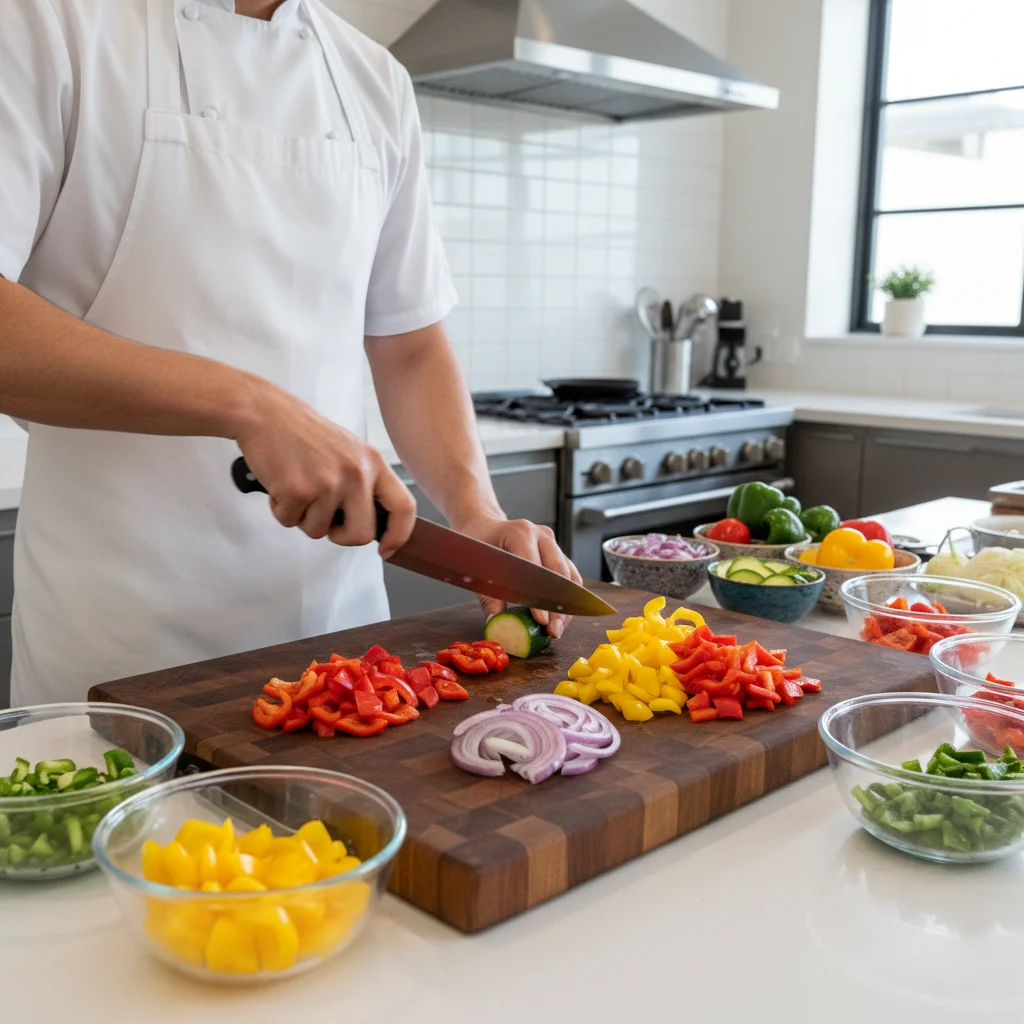
One of the biggest time sinks in daily cooking is the chopping and dicing of ingredients. Dedicating a focused block of time to this task during your main prep session will drastically reduce your weekday cooking duration. This hack is all about front-loading the effort to enjoy effortless dinners later.
Tips for Mastering Chopping & Prepping:
- Mise en Place (Everything in its Place): Before you start, gather all your produce, cutting boards, knives, and storage containers. This prevents interruptions and keeps you focused.
- Invest in Good Knives: A sharp, comfortable chef’s knife makes a world of difference. It’s safer and much more efficient than a dull knife.
- Wash & Dry All Produce: Wash all your fruits and vegetables at once. Dry them thoroughly, as excess moisture can lead to quicker spoilage.
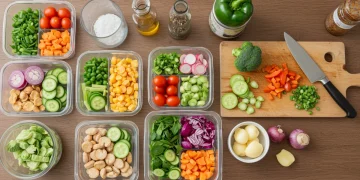
- Chop in Batches: Don’t chop one onion for one recipe. Chop all the onions you’ll need for the week. Similarly for bell peppers, carrots, celery, etc.
- Store Smartly: Use airtight containers or zip-top bags to store chopped ingredients. Label them clearly with the item and the date. Some vegetables (like potatoes) are best chopped right before use to prevent browning, but most can be prepped ahead.
- Consider a Food Processor: For large quantities of items like onions, carrots, or garlic, a food processor can be a huge time-saver. Just be mindful of over-processing.
- Pre-measure Dry Ingredients: For recipes that require specific spice blends or dry mixes, pre-measure and combine them in small containers or bags. This is especially helpful for stir-fry sauces or taco seasoning.
By dedicating a concentrated effort to chopping and prepping, you’re essentially creating a ready-to-cook pantry for your weekdays. When it’s dinner time, instead of spending 20 minutes on knife work, you can simply grab pre-chopped ingredients and assemble or quickly cook your meal. This is a crucial component of efficient dinner meal prep, liberating you from the daily grind of prep work.
Hack 4: Leverage Your Appliances – Your Kitchen’s Secret Weapons
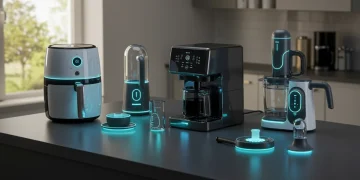
Modern kitchen appliances are not just conveniences; they are powerful tools for efficient dinner meal prep. Learning to maximize their potential can drastically reduce active cooking time and allow you to multitask.
Appliance Power Plays:
- Slow Cooker (Crock-Pot): Perfect for hands-off cooking of large batches of proteins, stews, and soups. You can set it and forget it, letting it work its magic while you focus on other prep tasks or even step away from the kitchen. Think shredded chicken, pulled pork, chili, or even overnight oats.
- Instant Pot (Pressure Cooker): This versatile appliance is a true game-changer for speed. It can cook grains (rice, quinoa) in minutes, hard-boil eggs perfectly, and tenderize tough cuts of meat in a fraction of the traditional time. It’s excellent for quickly cooking large batches of beans or making a hearty soup base.
- Sheet Pans: The ultimate tool for ‘one-pan’ meals and roasting large quantities of vegetables or proteins. Toss chopped veggies and protein with oil and seasonings, spread them on a sheet pan, and roast. Minimal cleanup and maximum flavor. You can roast several pans at once in a large oven.
- Air Fryer: While not ideal for massive batch cooking, an air fryer is fantastic for quickly reheating prepped items, crisping up roasted vegetables, or cooking smaller portions of protein with minimal oil. It can also be used to cook components like crispy chickpeas or chicken tenders while other things are roasting.
- Food Processor/Blender: As mentioned, a food processor is great for chopping. A high-powered blender is essential for making smooth sauces, dressings, marinades, or even pureeing soups from your batch-cooked ingredients.
By strategically employing these appliances, you can have multiple components cooking simultaneously with minimal supervision. While your slow cooker is simmering chili, your Instant Pot could be cooking quinoa, and your oven could be roasting vegetables on a sheet pan. This parallel processing is key to achieving efficient dinner meal prep in under two hours.
Hack 5: Smart Storage & Organization – Preserve Freshness, Prevent Waste
You’ve put in the effort to plan and prep; now, ensure your hard work pays off by storing your meals and components correctly. Proper storage is vital for maintaining freshness, preventing spoilage, and making meal assembly quick and easy throughout the week.
Storage & Organization Best Practices:
- Airtight Containers are Non-Negotiable: Invest in a good set of airtight, stackable containers, preferably glass for durability and ease of cleaning, but high-quality BPA-free plastic works too. These keep food fresh longer and prevent odors from spreading in your fridge.
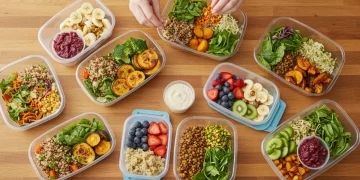
- Portion Control: Decide if you want to store individual meal portions or larger batches of components. For individual meals, portion out each dinner into its own container. For components, store them separately so you can mix and match.
- Label Everything: This is a small step with a huge impact. Label containers with the contents and the date they were prepared. This helps you track freshness and ensures you eat older items first. A roll of painter’s tape and a marker works perfectly.
- Refrigerator Zones: Organize your fridge. Keep prepped vegetables in one section, cooked proteins in another, and fully assembled meals in a clearly designated area. This makes finding what you need quick and reduces the chances of forgotten items.
- Freezing for Future: Some meals and components freeze exceptionally well. Soups, stews, cooked grains, and some proteins (like shredded chicken or ground meat) can be frozen in individual portions for even longer storage. This is great for those weeks when you don’t have time to prep.
- First In, First Out (FIFO): Practice the FIFO method – use the oldest prepped food first. This prevents waste and ensures you’re always consuming the freshest available items.
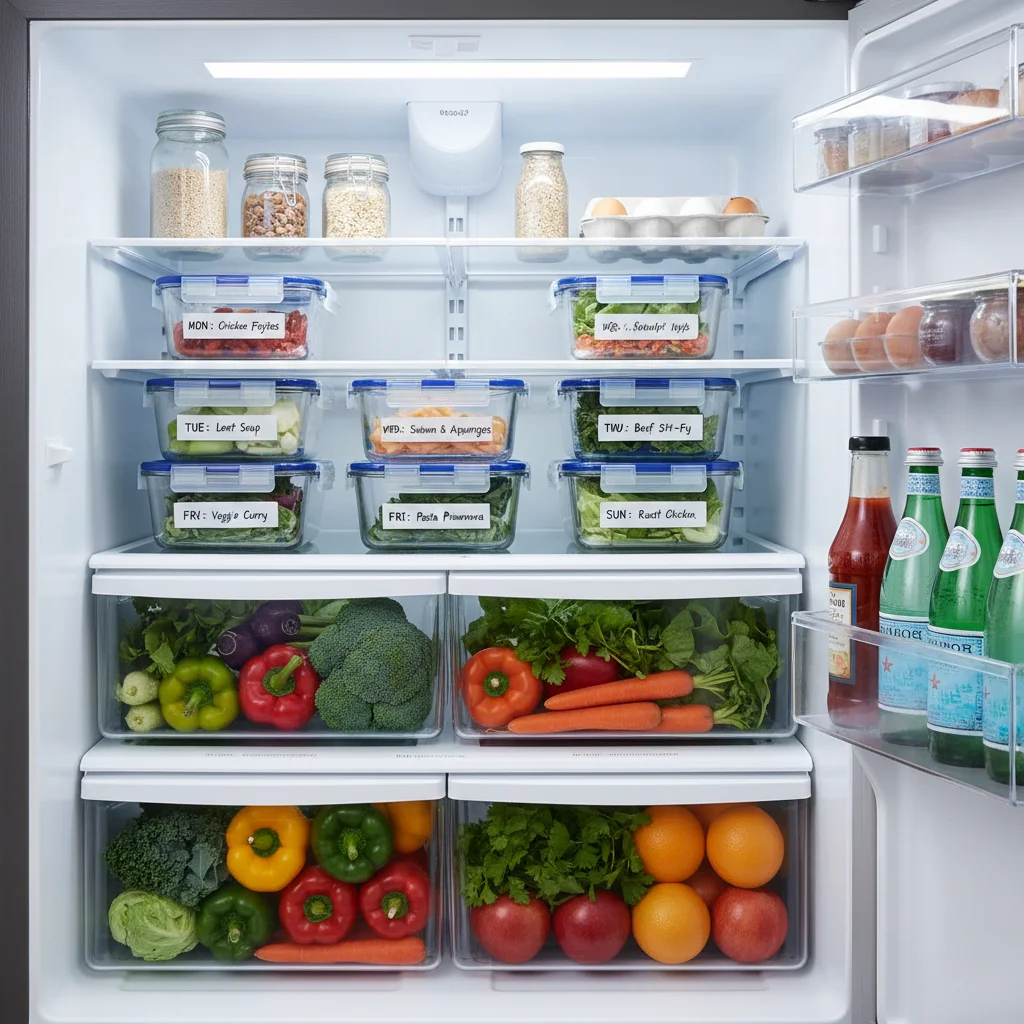
By implementing these smart storage and organization techniques, you’ll extend the life of your prepped ingredients and meals, ensuring that your efficient dinner meal prep efforts don’t go to waste. A well-organized fridge and pantry are hallmarks of a successful meal prepper.
Hack 6: The Quick Assembly Line Approach – Dinner in Minutes
This final hack brings all the previous steps together, transforming your prepped components into delicious dinners in mere minutes. The goal is to minimize active cooking during the week, focusing instead on simple assembly.
Executing the Quick Assembly Line:
- Designate an Assembly Area: Clear a small counter space. Have your prepped ingredients, sauces, and any fresh garnishes ready.
- Mix & Match Magic: This is where your batch-cooked components truly shine. For example:
- Grain Bowl: Start with pre-cooked quinoa, add roasted vegetables, a scoop of shredded chicken, and a dollop of pre-made dressing.
- Taco/Burrito Night: Warm pre-cooked ground meat/beans, grab pre-chopped lettuce, salsa, and cheese. Assemble in a tortilla.
- Quick Stir-fry: Heat pre-chopped veggies and pre-cooked protein in a wok or pan. Add a pre-mixed stir-fry sauce. Serve over pre-cooked rice.
- Pasta Dish: Reheat pre-cooked pasta, toss with a pre-made sauce, and add some roasted vegetables or pre-cooked protein.
- Don’t Forget the Fresh Touches: A squeeze of fresh lemon, a sprinkle of fresh herbs, or a dash of hot sauce can elevate a prepped meal from good to gourmet with minimal effort. These are often added just before serving.
- Reheat Smartly: Use your microwave, oven, or air fryer to reheat meals. For best results, separate components if possible before reheating, especially if you want crispy textures.
The quick assembly line approach is the payoff for your efficient dinner meal prep. It turns what used to be a stressful, time-consuming daily chore into a swift, enjoyable process. You’ll be amazed at how quickly you can put together a nutritious and satisfying dinner when all the heavy lifting has already been done.
Beyond the Hacks: Sustaining Your Efficient Dinner Meal Prep Journey in 2026
Mastering efficient dinner meal prep isn’t just about the initial burst of effort; it’s about building sustainable habits that last. Here are some additional tips to ensure your meal prep journey continues successfully throughout 2026 and beyond.
Flexibility is Your Friend:
Life happens. Some weeks you’ll nail your prep, others might be a scramble. Don’t let perfection be the enemy of good. If you can only prep three dinners instead of five, that’s still a win! Even partial prep reduces stress and saves time. Embrace flexibility and adjust your prep schedule as needed. Maybe one week you focus only on batch-cooking proteins, and the next on chopping all your veggies. Any effort towards efficient dinner meal prep is beneficial.
Embrace Variety, But Don’t Overcomplicate:
While thematic meal planning helps, ensure you’re rotating your recipes to avoid flavor fatigue. However, resist the urge to try five brand-new, complex recipes every week. Stick to familiar favorites that you can execute quickly, and introduce one new recipe at a time. This balance keeps things interesting without overwhelming your prep session.
Involve the Family:
If you have a family, get them involved! Even young children can help wash vegetables or stir ingredients. Older kids can take on chopping tasks (with supervision) or help with portioning. This not only lightens your load but also teaches valuable life skills and fosters a sense of teamwork around healthy eating. Making efficient dinner meal prep a family activity can be surprisingly fun and bonding.
Track Your Success & Learn from Mistakes:
Keep a simple journal or digital note of what worked well and what didn’t. Did a particular recipe take longer than expected? Did certain ingredients spoil too quickly? Did you run out of a favorite component? Learning from these experiences will refine your process and make your future efficient dinner meal prep sessions even smoother.
Don’t Forget About Snacks & Lunches:
While this article focuses on dinner, many of the principles of batch cooking and smart prepping can be applied to other meals too. Consider prepping some grab-and-go snacks or simple lunch components during your dinner prep session to further maximize your efficiency and ensure healthy eating throughout the day.
The Long-Term Benefits of Efficient Dinner Meal Prep
The immediate gratification of having dinners ready in minutes is fantastic, but the long-term benefits of efficient dinner meal prep extend far beyond convenience:
- Financial Savings: Eating out less, reducing food waste, and buying ingredients in bulk when on sale all contribute to significant savings over time.
- Improved Nutrition: You have complete control over the ingredients, allowing you to prioritize whole foods, limit processed items, and tailor meals to specific dietary needs or health goals.
- Reduced Stress: The mental load of daily dinner decisions and cooking is lifted, freeing up mental energy for other aspects of your life.
- More Free Time: Reclaim those precious weekday evenings that were once spent cooking, allowing for more relaxation, hobbies, or quality time with loved ones.
- Consistent Healthy Habits: When healthy food is readily available, you’re far less likely to resort to unhealthy takeout or convenience foods.
By integrating these six hacks and embracing a proactive approach, efficient dinner meal prep will become a natural and rewarding part of your lifestyle. It’s an investment in your health, your time, and your peace of mind. As we move through 2026, make this the year you finally conquer your kitchen and transform your relationship with food.
Conclusion: Your Path to Meal Prep Mastery in 2026
The journey to mastering efficient dinner meal prep is not about becoming a gourmet chef overnight, but about adopting smart strategies that streamline your cooking process. By implementing thematic meal planning, batch cooking base components, mastering chopping, leveraging your kitchen appliances, practicing smart storage, and employing a quick assembly line approach, you can realistically prepare a week’s worth of dinners in under two hours.
This isn’t just about saving time; it’s about cultivating a healthier, less stressful lifestyle. Imagine the satisfaction of opening your fridge each evening to find a delicious, prepped meal waiting, ready to be assembled in minutes. No more last-minute grocery runs, no more unhealthy takeout temptations, and no more kitchen chaos. This is the promise of efficient dinner meal prep.
As you embark on this journey in 2026, remember to be patient with yourself, learn from each prep session, and celebrate your progress. The benefits – from financial savings and improved health to reclaimed time and reduced stress – are well worth the initial investment of effort. Start small, integrate these hacks one by one, and watch as your relationship with cooking and eating transforms for the better. Your future self (and your taste buds!) will thank you.