Holistic Wellness 2026: Top 4 Practices for Mental Clarity
Anúncios
In an ever-evolving world, the pursuit of well-being continues to adapt and redefine itself. As we look towards 2026, the concept of holistic wellness 2026 is taking center stage, emphasizing an integrated approach to health that encompasses mind, body, and spirit. This isn’t just about physical fitness or mental health in isolation; it’s about understanding the intricate connections between all aspects of our existence and optimizing them for a truly balanced and fulfilling life. The upcoming year promises a deeper dive into personalized wellness, leveraging technological advancements while simultaneously advocating for a return to foundational practices that nurture our inner selves.
The landscape of wellness is dynamic, shaped by global events, scientific discoveries, and a collective yearning for resilience and clarity. In 2026, we anticipate a significant shift towards preventative care and proactive self-management, with individuals taking a more empowered role in their health journeys. This article will explore the top four practices that are expected to dominate the holistic wellness 2026 scene, all geared towards enhancing mental clarity and fostering a profound sense of inner peace. These practices are not just fleeting trends but rather robust methodologies designed to provide sustainable benefits in our increasingly complex lives.
Anúncios
Understanding the interplay between our mental state, emotional responses, physical health, and spiritual alignment is crucial. As we navigate the complexities of modern living, the demand for effective strategies to manage stress, improve focus, and cultivate emotional intelligence has never been higher. The four pillars we will discuss offer practical, accessible pathways to achieve these goals, making holistic wellness 2026 an achievable reality for everyone.
The Rise of Mindful Digital Integration: Balancing Tech and Tranquility
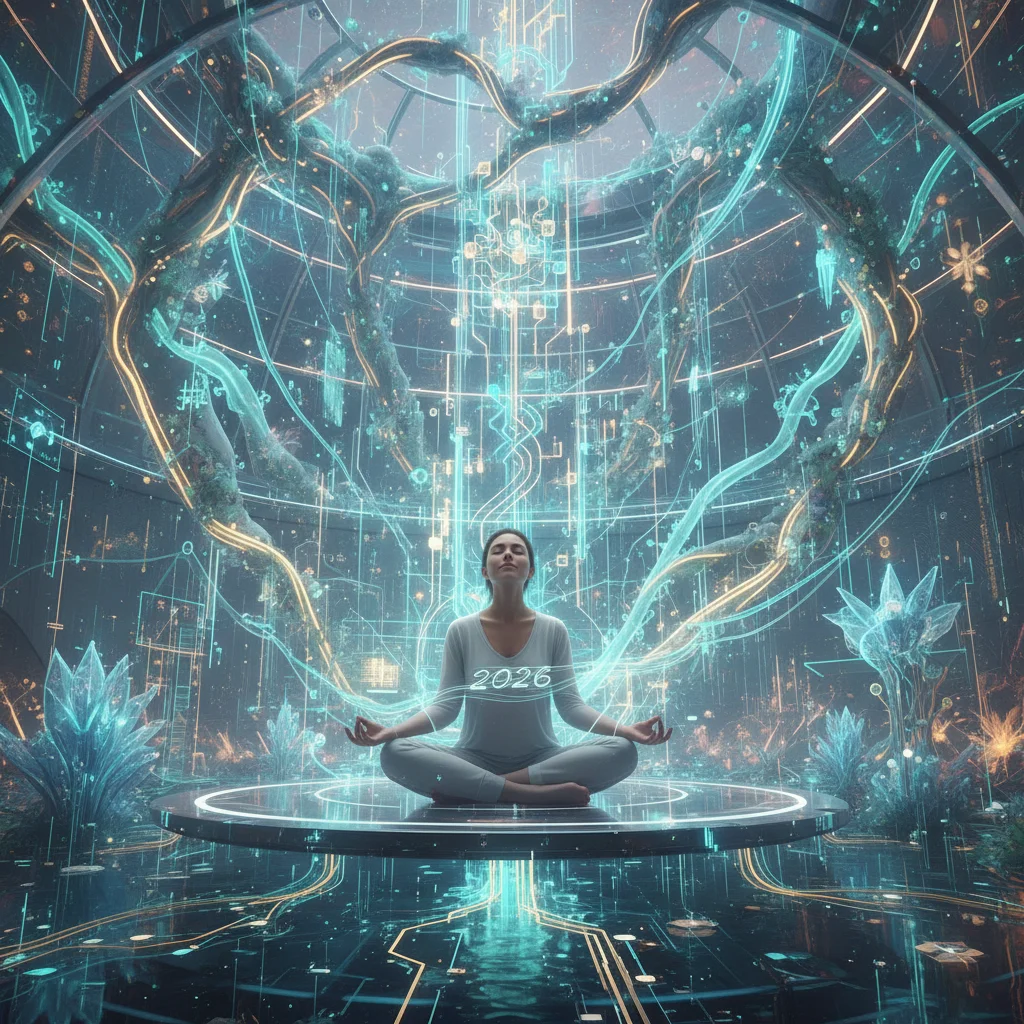
The digital age, while offering unparalleled connectivity and information, also presents unique challenges to our mental well-being. Constant notifications, endless scrolling, and the pressure to be perpetually ‘on’ can lead to digital fatigue, anxiety, and a diminished capacity for deep focus. In 2026, one of the most significant trends in holistic wellness 2026 will be the evolution of ‘Mindful Digital Integration.’ This isn’t about abandoning technology entirely but rather about consciously and strategically incorporating it into our lives in a way that supports, rather than detracts from, our overall well-being.
Anúncios
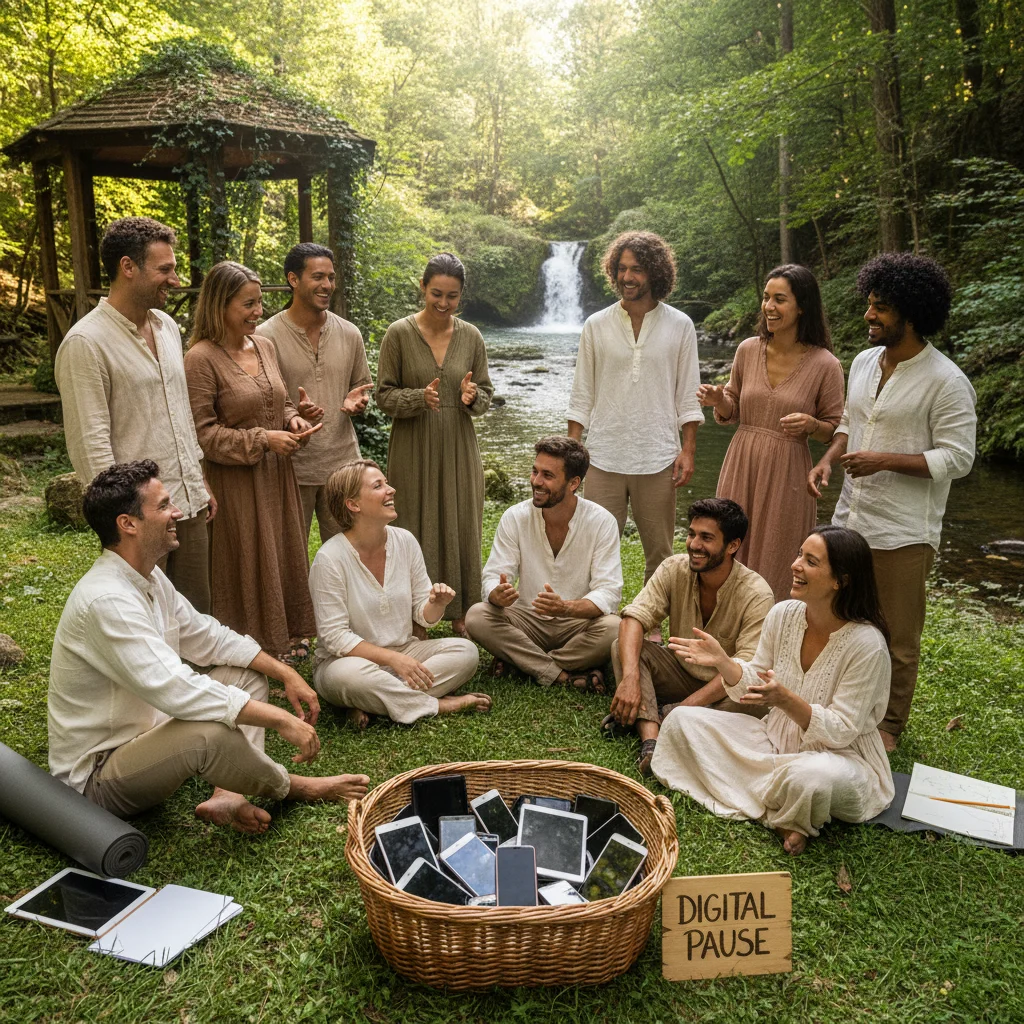
Mindful Digital Integration involves setting clear boundaries with technology, utilizing digital tools for positive engagement, and regularly disconnecting to reconnect with ourselves and the physical world. This includes practices like scheduled ‘digital detox‘ periods, where individuals intentionally step away from screens for hours or even days. These periods allow the brain to reset, reduce overstimulation, and foster a greater sense of presence. Furthermore, it involves curating our digital consumption – unfollowing accounts that trigger negative emotions, subscribing to newsletters that offer genuine value, and engaging with content that inspires and educates rather than simply distracts.
The rise of smart wellness apps that genuinely promote mindfulness, track sleep patterns without being intrusive, or guide meditation sessions will also be a cornerstone of this trend. These tools, when used mindfully, can become allies in our quest for mental clarity, helping us monitor our habits and providing gentle nudges towards healthier behaviors. The key differentiator for holistic wellness 2026 in this area is the emphasis on conscious choice and control over our digital lives, rather than being passively consumed by them. It’s about leveraging technology’s benefits while safeguarding our inner peace and focus.
Moreover, workplaces are increasingly recognizing the importance of mindful digital integration. Companies are implementing policies that encourage employees to take screen breaks, offering digital wellness workshops, and even designing ‘focus zones’ free from digital distractions. This top-down approach complements individual efforts, creating an environment where digital well-being is not just a personal responsibility but a collective priority. The goal is to create a symbiotic relationship with technology, where it serves as a tool for enrichment and connection, rather than a source of stress and distraction. This mindful approach is fundamental to achieving sustained mental clarity in the years to come.
Embodied Mindfulness Practices: Connecting with the Body’s Wisdom
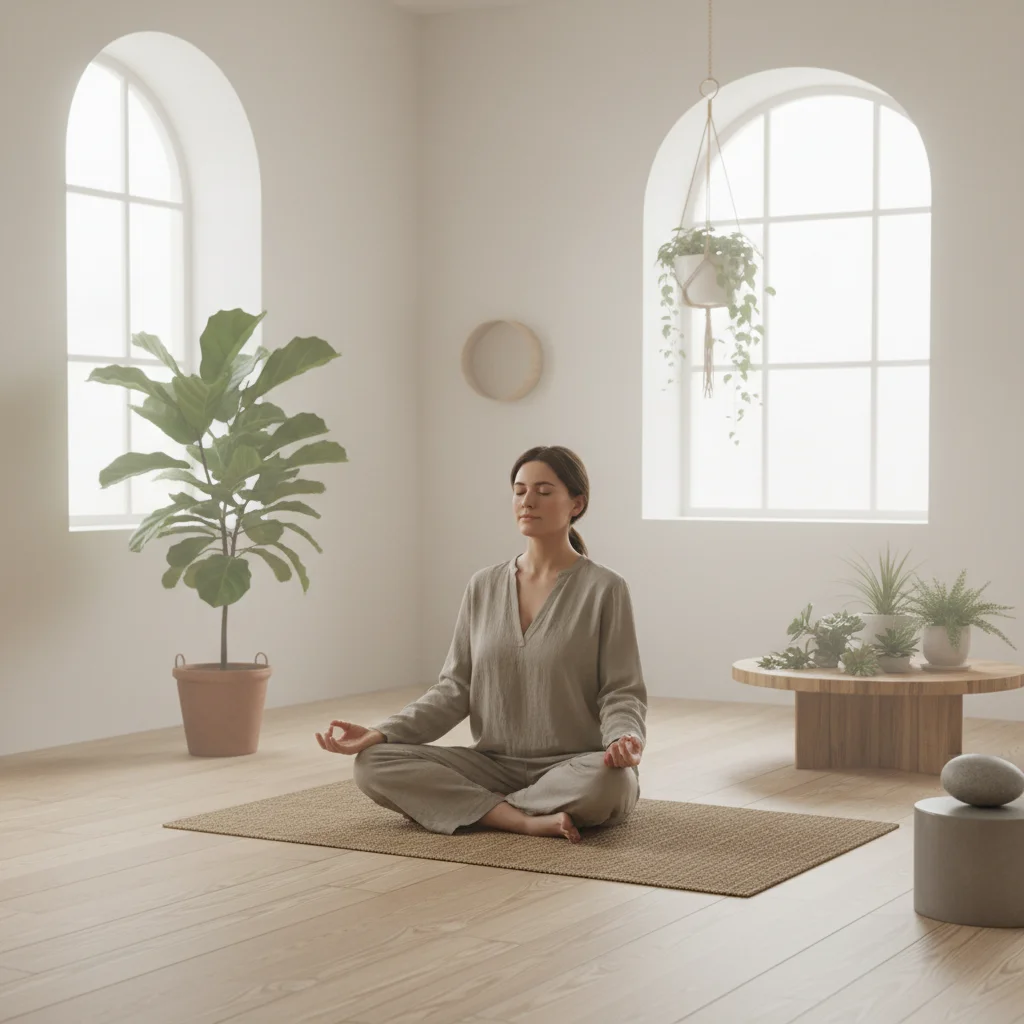
Beyond traditional meditation, holistic wellness 2026 is seeing a significant surge in embodied mindfulness practices. These practices emphasize bringing awareness to the physical sensations of the body as a pathway to mental clarity and emotional regulation. While meditation often focuses on breath or thoughts, embodied mindfulness actively engages with bodily sensations, movements, and postures to cultivate a deeper connection between mind and body.
Practices like somatic experiencing, mindful movement (e.g., Qigong, Tai Chi, conscious dance), and body scan meditations are gaining widespread popularity. Somatic experiencing, for instance, helps individuals release stored trauma and tension by focusing on bodily sensations. It teaches us to listen to our body’s signals, understand its responses to stress, and gently guide it towards a state of calm. This approach is particularly effective in addressing chronic stress, anxiety, and even physical pain that has emotional roots.
Mindful movement practices encourage us to move with intention and awareness, paying close attention to how our bodies feel in each moment. Unlike high-intensity workouts that might push the body to its limits, mindful movement is about gentle exploration, fluidity, and cultivating a sense of grace. These practices not only improve physical flexibility and balance but also enhance proprioception (our sense of where our body is in space) and interoception (our awareness of internal bodily states). By improving these sensory capacities, we become more attuned to our body’s needs and signals, leading to better self-care and a stronger sense of grounding.
The emphasis on embodied mindfulness in holistic wellness 2026 reflects a growing recognition that mental and emotional states are not solely confined to the brain. Our bodies hold a wealth of information and wisdom, and by learning to tune into these signals, we can achieve a more profound level of self-understanding and mental clarity. This holistic approach helps to bridge the often-perceived gap between our physical and mental selves, fostering a more integrated and resilient sense of being. It’s about moving beyond intellectual understanding to experiential knowing, allowing the body to guide us towards greater peace.
Personalized Nutritional Psychiatry: Fueling the Brain for Optimal Function
The adage ‘you are what you eat’ is taking on a profound new meaning in the context of holistic wellness 2026 with the rise of personalized nutritional psychiatry. This field explores the intricate relationship between diet, gut health, and mental well-being, moving beyond general dietary advice to highly individualized nutritional plans designed to optimize brain function and emotional balance. Research continues to uncover the significant impact of our gut microbiome on neurotransmitter production, inflammation, and overall brain health, making dietary choices a critical component of mental clarity.
Personalized nutritional psychiatry involves comprehensive assessments that consider an individual’s genetic predispositions, existing health conditions, lifestyle, and specific mental health goals. This might include advanced gut microbiome testing to identify imbalances, followed by targeted dietary interventions. For example, a diet rich in prebiotics and probiotics can promote a healthy gut flora, which in turn supports the production of serotonin and other mood-regulating neurotransmitters. Omega-3 fatty acids, often found in fatty fish and certain seeds, are known for their anti-inflammatory properties and their role in brain cell function, directly impacting cognitive performance and mood stability.
The focus in holistic wellness 2026 will be on nutrient-dense, whole foods, minimizing processed foods, refined sugars, and unhealthy fats that can contribute to inflammation and oxidative stress in the brain. Specific dietary patterns, such as the Mediterranean diet, are already recognized for their brain-protective benefits, and personalized plans will adapt these principles to individual needs. Furthermore, the role of micronutrients like B vitamins, magnesium, and zinc in supporting nervous system function and reducing symptoms of anxiety and depression will be emphasized, often through targeted supplementation when dietary intake is insufficient.
This trend underscores the understanding that mental clarity is not just a psychological state but is deeply rooted in our physiological health. By optimizing our nutrition, we are essentially providing our brains with the fuel and building blocks they need to function optimally, leading to improved mood, enhanced cognitive function, and greater emotional resilience. It’s a proactive and empowering approach to mental wellness that recognizes the profound connection between what we consume and how we think and feel.
Nature-Based Therapeutic Interventions: Reconnecting with the Earth
In an increasingly urbanized and technology-driven world, the therapeutic power of nature is being rediscovered and formalized as a cornerstone of holistic wellness 2026. Nature-based therapeutic interventions, often referred to as ‘ecotherapy’ or ‘forest bathing’ (Shinrin-yoku), leverage the restorative benefits of engaging with natural environments to improve mental, emotional, and physical health. The evidence supporting the positive impact of nature exposure on stress reduction, mood enhancement, and cognitive function is growing, making it an indispensable practice for mental clarity.
These interventions go beyond simply spending time outdoors; they involve intentional and mindful engagement with nature. Forest bathing, for example, encourages individuals to immerse themselves in the atmosphere of the forest, using all five senses to connect with their surroundings. This might involve slow, deliberate walking, deep breathing of forest air, observing the intricate details of plants, listening to the sounds of wildlife, and touching natural textures. The goal is to slow down, be present, and absorb the calming energy of the natural world.
Research indicates that exposure to natural environments can lower cortisol levels (the stress hormone), reduce blood pressure, improve immune function, and enhance feelings of well-being. The presence of phytoncides, airborne chemicals emitted by trees, has been linked to increased activity of natural killer (NK) cells, which are part of our immune system. For holistic wellness 2026, these benefits are crucial for building resilience against daily stressors and fostering a sense of inner calm.
Beyond forest bathing, other nature-based therapies include horticultural therapy (gardening), animal-assisted therapy, wilderness therapy, and even simply spending time in urban green spaces with a mindful intention. The accessibility of these practices makes them particularly appealing. Even a short walk in a local park, if done mindfully, can yield significant benefits for mental clarity. As our lives become more demanding, consciously integrating nature into our routines will be a powerful antidote to modern anxieties, helping us to reconnect with our primal selves and find balance amidst the chaos.
The Synergy of Practices: A Holistic Blueprint for 2026
While each of these four practices offers significant benefits on its own, the true power of holistic wellness 2026 lies in their synergistic application. Imagine combining mindful digital integration with embodied mindfulness, fueling your brain with personalized nutritional psychiatry, and regularly immersing yourself in nature-based therapeutic interventions. This integrated approach creates a robust and comprehensive blueprint for optimal mental clarity and overall well-being.
Consider a typical day: starting with a mindful digital check-in, followed by an embodied mindfulness practice like conscious movement or a body scan. Throughout the day, you make conscious dietary choices based on your personalized nutritional plan, avoiding foods that disrupt your mental balance. In the afternoon, a scheduled digital detox period allows for a walk in a nearby park, mindfully connecting with nature. This interwoven approach ensures that you are consistently nurturing all facets of your being, creating a resilient foundation for mental and emotional health.
The beauty of holistic wellness 2026 is its adaptability. These practices can be tailored to individual needs, preferences, and circumstances. There’s no one-size-fits-all solution, but rather a framework within which individuals can discover what resonates most deeply with them. The emphasis is on self-awareness, continuous learning, and a commitment to nurturing one’s inner landscape. As the world continues to accelerate, the ability to cultivate inner peace and mental clarity will not just be a luxury but a necessity for thriving.
Conclusion: Embracing a Future of Integrated Well-being
As we navigate the path towards 2026, the evolution of wellness is clear: it’s becoming more integrated, personalized, and deeply connected to our intrinsic human needs. The trends highlighted – Mindful Digital Integration, Embodied Mindfulness Practices, Personalized Nutritional Psychiatry, and Nature-Based Therapeutic Interventions – represent the forefront of holistic wellness 2026, offering powerful tools for enhancing mental clarity and fostering a profound sense of well-being.
These practices encourage us to look inward, to listen to our bodies, to nourish our minds, and to reconnect with the natural world that sustains us. By embracing these holistic approaches, we can not only mitigate the stresses of modern life but also unlock our full potential for joy, focus, and emotional resilience. The future of wellness is not about quick fixes but about cultivating sustainable habits that support a harmonious existence. Let 2026 be the year you truly invest in your holistic health, transforming your life from the inside out and experiencing the profound clarity that comes from a truly balanced self.
The journey to holistic wellness 2026 is continuous, requiring dedication and an open mind. However, the rewards – enhanced mental clarity, emotional stability, and a deeper connection to oneself and the world – are immeasurable. By integrating these practices into your daily life, you are not just following a trend; you are investing in a healthier, happier, and more mindful future.