3 Major Housing Market Shifts: Rent & Home Price Forecast 2026
Anúncios
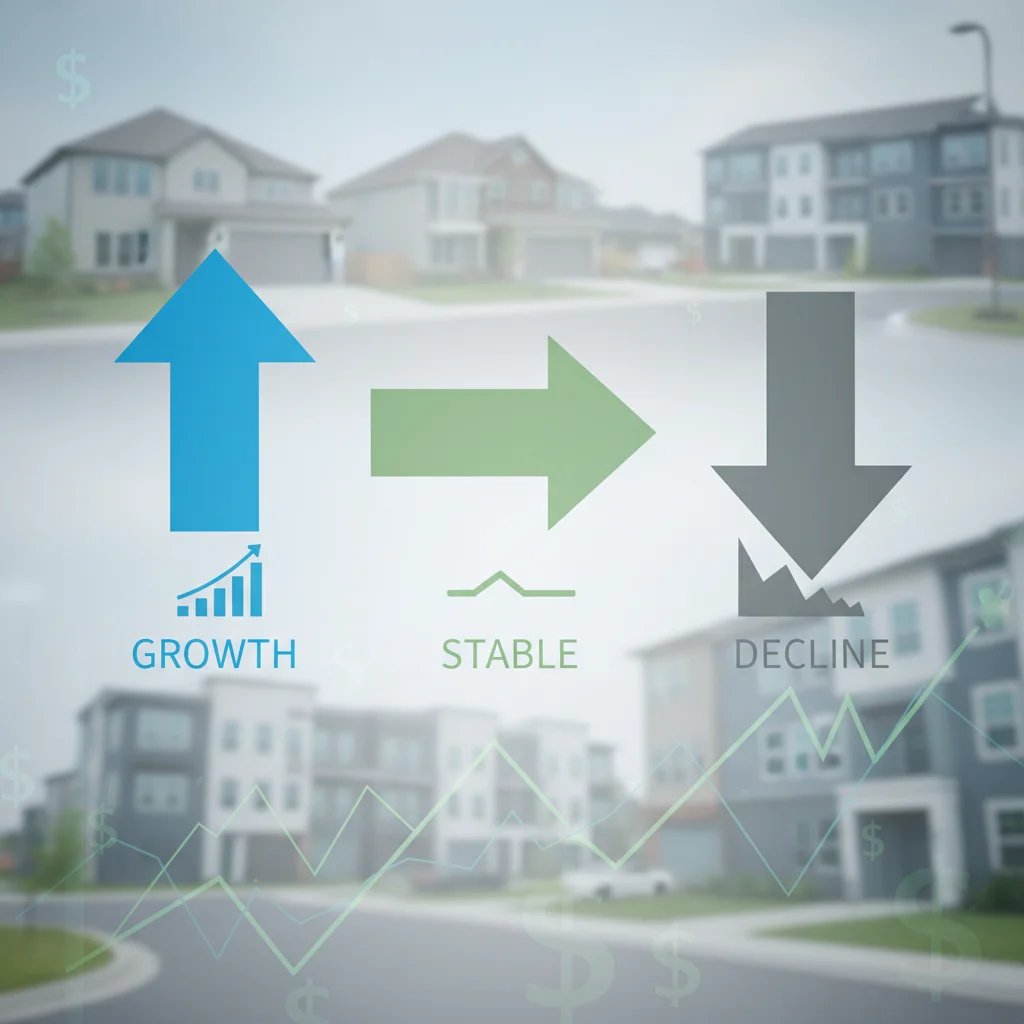
The 3 Major Housing Market Shifts Expected to Influence Local Rent and Home Prices by Mid-2026
The housing market is a dynamic beast, constantly evolving under the influence of various economic, social, and demographic forces. For anyone invested in real estate—whether as a homeowner, a prospective buyer, or a renter—understanding the trajectory of these forces is paramount. As we look towards mid-2026, several significant housing market shifts are already beginning to take shape, promising to redefine local rent and home prices across the nation. These shifts are not isolated events but rather interconnected phenomena that will collectively dictate the landscape of housing affordability and availability.
Forecasting the future of real estate is never an exact science, but by analyzing current trends and historical patterns, we can identify key indicators that provide a clearer picture of what lies ahead. This article will delve into three major housing market shifts that are anticipated to exert the most profound influence on local rent and home prices over the next couple of years. We will explore the intricacies of interest rate fluctuations, the ever-changing dynamics of housing supply and demand, and the powerful impact of evolving demographic trends. Grasping these shifts is crucial for making informed decisions, whether you’re planning to buy, sell, or rent.
Anúncios
Understanding these macro trends and their micro-level implications is not just for investors; it’s for every individual who calls a house or apartment a home. The decisions made today by policymakers, developers, and financial institutions will ripple through communities, directly affecting the cost of living and the accessibility of housing. Let’s unpack these critical housing market shifts and prepare for the landscape of mid-2026.
Anúncios
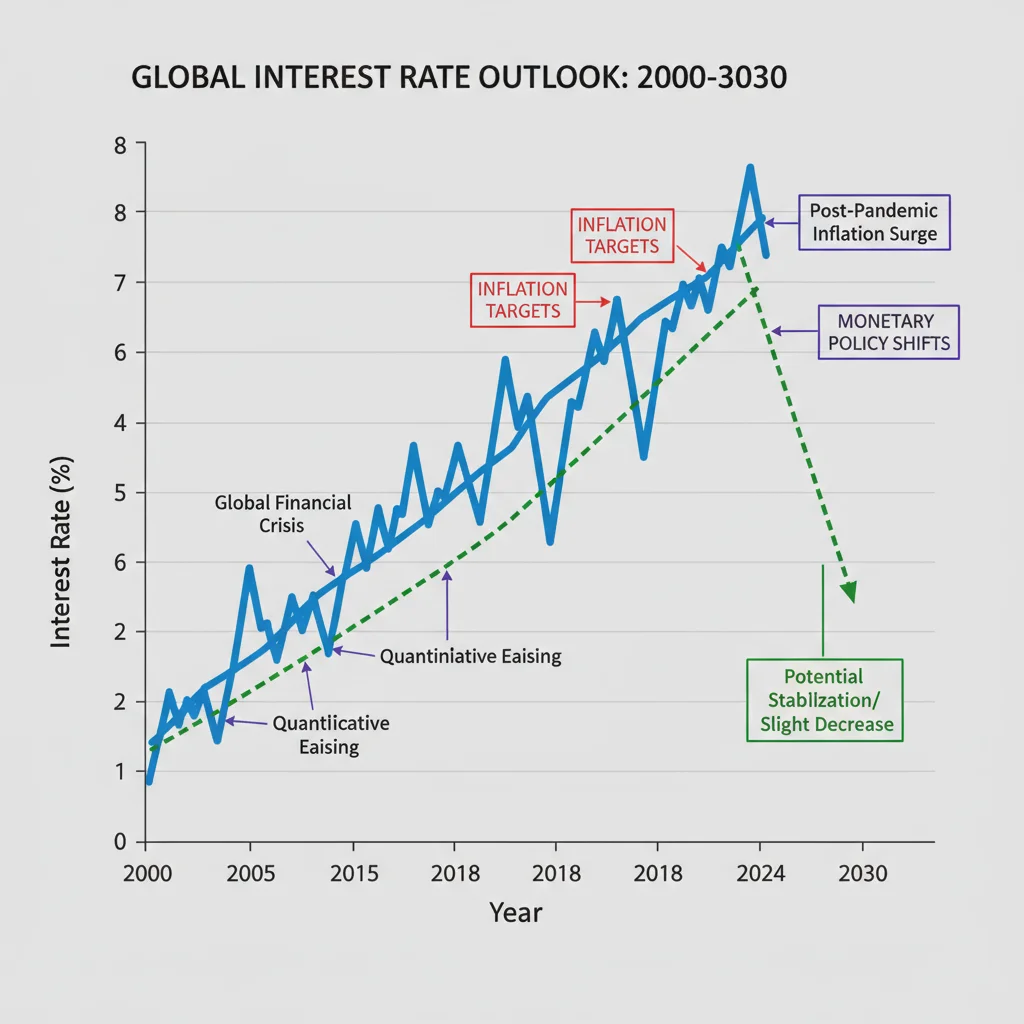
Shift 1: The Evolving Landscape of Interest Rates and Mortgage Affordability
One of the most immediate and impactful drivers of both home prices and, indirectly, rent prices, is the movement of interest rates. The period leading up to mid-2026 is expected to see significant volatility and potential adjustments in monetary policy, directly affecting mortgage affordability. High interest rates have historically cooled demand in the housing market, making homeownership more expensive and pushing more people into the rental market, thereby increasing rental demand and prices. Conversely, lower rates can stimulate demand, driving up home prices.
The Federal Reserve’s actions in response to inflation will be a primary determinant. If inflation continues to moderate, there’s a strong likelihood that the Fed will consider rate cuts, potentially making mortgages more affordable. However, if inflation proves stubborn, higher rates could persist, or even increase, further squeezing affordability. This balancing act will create a nuanced environment for the housing market shifts.
The Impact on Homebuyers
For prospective homebuyers, even a modest shift in interest rates can translate into hundreds of dollars difference in monthly mortgage payments. This directly impacts purchasing power and the types of homes buyers can afford. A sustained period of high interest rates could continue to deter first-time buyers, leading to a prolonged period of stagnant or slightly declining home values in some regions, particularly those with less robust job markets or overvalued properties. On the other hand, a noticeable drop in rates could unleash pent-up demand, especially from buyers who have been waiting on the sidelines, potentially leading to renewed competition and upward pressure on prices.
The concept of ‘rate lock-in’ is also a factor. Many existing homeowners secured historically low rates during the pandemic. These homeowners are less likely to sell, as doing so would mean trading their low-rate mortgage for a new, higher-rate one. This phenomenon contributes to lower inventory, which we will discuss in the next section, further complicating the supply-demand balance and influencing the overall housing market shifts.
The Ripple Effect on the Rental Market
When homeownership becomes less accessible due to high interest rates, a larger segment of the population remains in the rental market for longer. This increased demand for rental properties can lead to upward pressure on rent prices, even in areas where home prices might be leveling off. Landlords, facing higher financing costs themselves (if they have variable-rate mortgages or are purchasing new investment properties), may pass these costs onto tenants through increased rents. Furthermore, developers may slow down new construction if borrowing costs for projects are too high, exacerbating the supply shortage in the rental sector.
Conversely, a significant decrease in interest rates could entice some renters to become homeowners, gradually easing demand in the rental market. However, given the current supply constraints, this easing might be gradual rather than immediate. The interplay between interest rates and both the buying and renting markets highlights how deeply interconnected these segments are, making interest rate predictions a cornerstone of understanding future housing market shifts.
Shift 2: The Evolving Dynamics of Housing Inventory and Construction
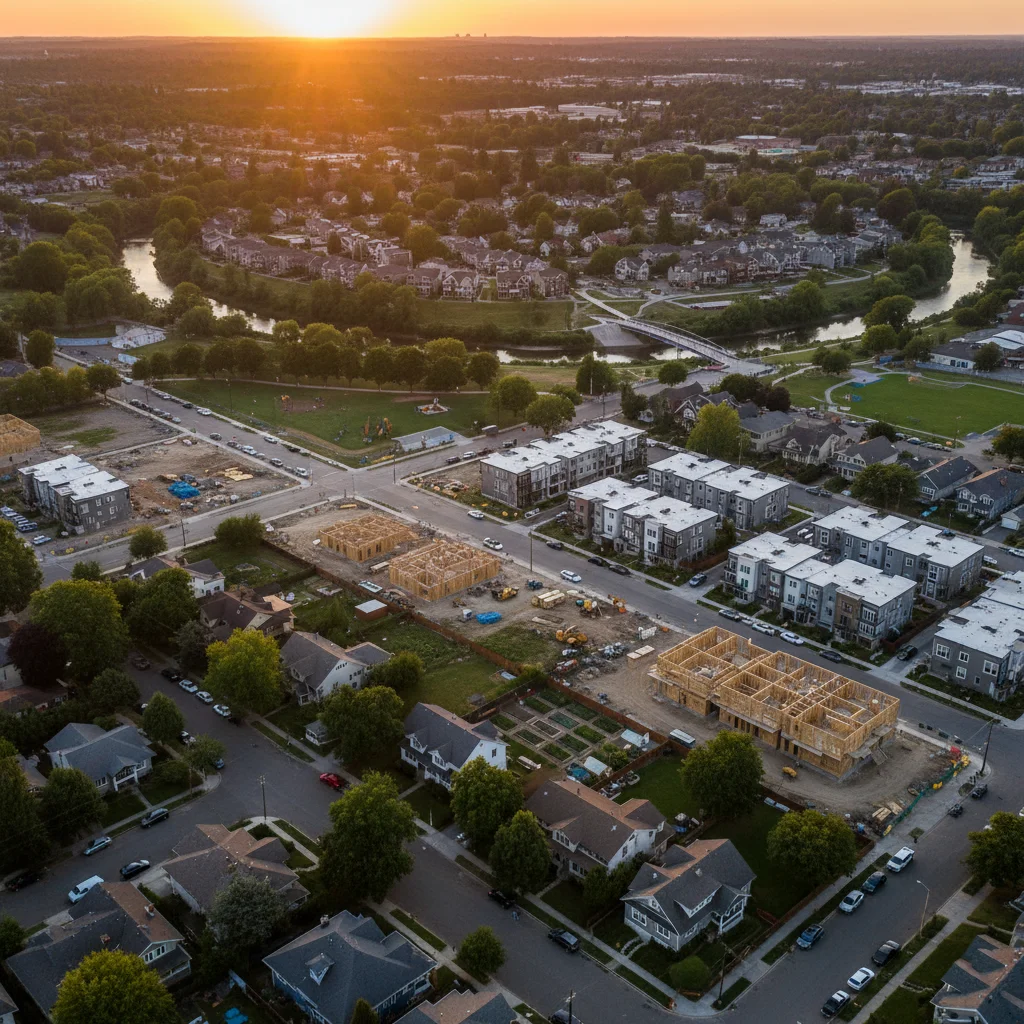
The second major housing market shift revolves around the critical balance between housing supply and demand. For years, many regions have grappled with an insufficient supply of housing to meet growing demand, a problem exacerbated by the pandemic-era construction slowdowns and supply chain issues. As we approach mid-2026, the trajectory of new construction, existing home sales, and investor activity will significantly influence both home values and rental rates.
The fundamental principle remains: if supply cannot keep pace with demand, prices will rise. This applies to both the for-sale market and the rental market. While there has been some pickup in construction, particularly for multi-family units, single-family home construction still faces hurdles, including labor shortages, high material costs, and increasingly stringent zoning regulations in many desirable areas. These factors collectively contribute to the complexity of the housing market shifts.
Supply Constraints in the For-Sale Market
As mentioned earlier, the ‘rate lock-in’ effect has kept many existing homeowners from listing their properties, leading to persistently low inventory levels in many markets. This scarcity, combined with ongoing demand (even if somewhat tempered by high interest rates), creates a floor under home prices, preventing significant declines in many areas. Even if demand slows, a severely limited supply can still keep prices elevated.
New construction, while picking up, often focuses on higher-end properties or specific types of multi-family units, which may not address the critical need for affordable housing options. The time it takes to build new homes, from land acquisition to final occupancy, means that any significant increase in supply will not be an overnight solution. Therefore, the imbalance between existing homes for sale and the number of potential buyers will continue to be a defining feature of the housing market shifts.
The Rental Supply Challenge
The rental market faces similar, and in some ways, more acute supply challenges. While multi-family construction has seen a boost, it takes time for these units to come online and meaningfully impact market supply. Furthermore, the conversion of single-family homes into rental properties by investors, while increasing rental stock, often removes these properties from the for-sale market, further tightening that segment.
Local zoning laws and NIMBYism (‘Not In My Backyard’) sentiments continue to hinder the development of denser, more affordable housing options in many urban and suburban areas. These regulatory barriers prolong the supply shortage, leading to sustained upward pressure on rent prices. The lack of diverse housing options, from starter homes to affordable apartments, is a critical component of the upcoming housing market shifts, pushing a larger portion of the population into a competitive rental environment.
Shift 3: Demographic Transformations and Their Geographic Manifestations
The third major housing market shift is rooted in long-term demographic transformations, which are steadily reshaping where and how people live. These changes include population growth, aging populations, evolving household formations, and migration patterns, all of which have profound implications for local housing markets by mid-2026.
Demographic trends act as a slow-moving but powerful current, guiding the underlying demand for different types of housing in various locations. Understanding these shifts is crucial for identifying which regions might experience sustained growth or contraction in housing demand, and consequently, in rent and home prices. The evolving preferences of different generations, from Gen Z entering the workforce to Baby Boomers downsizing, will dictate specific market needs.
Generational Demands and Preferences
The millennial generation, now largely in their prime home-buying years, continues to drive significant demand for housing. However, their preferences often lean towards walkable communities, access to amenities, and a desire for diverse housing types. Gen Z, on the other hand, is just beginning to enter the housing market, with a strong emphasis on affordability and flexibility, often prioritizing rental options in urban cores or more affordable secondary cities.
At the other end of the spectrum, an aging Baby Boomer population is increasingly looking to downsize or move to retirement-friendly communities. This trend can free up larger family homes in established neighborhoods, potentially adding to inventory, but also creates demand for smaller, accessible housing units, often with specific amenities. These generational dynamics contribute significantly to the nuanced housing market shifts we expect to see.
Migration Patterns and Regional Disparities
The pandemic accelerated pre-existing migration trends, with many individuals and families relocating from high-cost coastal cities to more affordable sunbelt states or smaller, growing metropolitan areas. This ‘zoom town’ phenomenon, driven by remote work capabilities, has led to significant price appreciation in previously overlooked markets, while some major urban centers have seen slower growth or even modest declines in certain segments.
By mid-2026, these migration patterns are expected to continue, albeit potentially at a less frenetic pace. Areas with strong job growth, lower costs of living, and attractive quality of life will likely continue to experience robust demand, leading to sustained increases in both home and rent prices. Conversely, regions experiencing outward migration or economic stagnation may see more modest growth or even stagnation in housing values. This geographic divergence is a key element of the upcoming housing market shifts.
Furthermore, the increasing diversity of the population will also play a role. Different cultural and familial structures can influence housing needs, from the demand for multi-generational homes to specific community amenities. Developers and policymakers who fail to recognize and adapt to these evolving demographic realities risk exacerbating housing inequalities and misallocating resources.
The Interplay of These Major Housing Market Shifts
It’s crucial to understand that these three major housing market shifts—interest rates, inventory dynamics, and demographic transformations—do not operate in isolation. They are deeply interconnected, with each influencing and being influenced by the others. For instance, high interest rates (Shift 1) can reduce affordability, pushing more people into the rental market and increasing demand for rental units, thereby impacting rent prices. Simultaneously, these high rates can deter existing homeowners from selling, further constricting inventory (Shift 2) and keeping home prices elevated despite reduced buying power.
Demographic changes (Shift 3), such as the influx of millennials into their prime home-buying years, create persistent underlying demand. However, if interest rates are too high or inventory is too low, this demand might be funneled into the rental market, exacerbating rental supply issues. Similarly, migration patterns can intensify inventory shortages in popular receiving cities, while potentially alleviating pressure in areas experiencing outward migration.
The interplay is complex and multifaceted. A sudden drop in interest rates, for example, could unleash pent-up demand, quickly depleting already low inventory and causing home prices to surge, even as demographic trends continue to favor certain regions. Conversely, a significant increase in housing construction, particularly of affordable units, could help absorb some of the demographic demand, even if interest rates remain high, thereby moderating price growth.
Local markets will experience these interactions differently. A city with strong job growth and an influx of young professionals might see continued robust demand, even with higher interest rates, if its housing supply is particularly constrained. Another city with an aging population and ample land for development might see more stable or even declining prices, regardless of national interest rate trends. Therefore, understanding the localized manifestation of these national housing market shifts is key.
Preparing for the Future: Implications for Homeowners, Buyers, and Renters
Given these anticipated housing market shifts, what do they mean for different stakeholders in the real estate ecosystem?
For Homeowners:
- Equity Growth: Many homeowners have seen significant equity gains in recent years. While rapid appreciation might slow, persistent inventory shortages in many areas could provide a floor for home values, preventing major declines.
- Refinancing Opportunities: Keep a close eye on interest rate movements. If rates decline, refinancing could be an option to reduce monthly payments or tap into equity at a lower cost.
- Selling Decisions: If you’re considering selling, understand your local market’s inventory levels and buyer demand. The ‘rate lock-in’ effect might mean fewer competing listings, but also potentially fewer buyers able to afford higher rates.
- Investment Strategy: For those with investment properties, the strong rental demand driven by affordability challenges suggests continued stability or growth in rental income, though property management costs and regulations are always evolving.
For Prospective Homebuyers:
- Patience and Preparation: The market by mid-2026 could offer more clarity. Continue to save for a down payment, improve your credit score, and get pre-approved to understand your budget.
- Interest Rate Monitoring: Stay informed about Federal Reserve decisions and mortgage rate forecasts. A dip in rates could present a window of opportunity.
- Explore All Options: Consider different housing types (condos, townhouses, multi-family) and explore secondary markets or up-and-coming neighborhoods that align with demographic migration patterns and offer better affordability.
- Long-Term View: Focus on the long-term benefits of homeownership. Market fluctuations are normal; building equity over time remains a sound strategy.
For Renters:
- Continued Competition: Strong rental demand, fueled by affordability challenges in the for-sale market and demographic trends, suggests that rent prices will likely remain elevated or continue to increase in many areas.
- Budgeting is Key: Factor potential rent increases into your financial planning.
- Explore Rental Assistance: Be aware of any local or state rental assistance programs or rent control measures that might be in place or under consideration.
- Consider Roommates or Smaller Spaces: To manage costs, exploring co-living arrangements or opting for smaller units might be necessary in competitive markets.
- Path to Homeownership: For those aspiring to buy, use this period to aggressively save and prepare, watching for potential shifts in interest rates or an increase in affordable housing inventory.
Conclusion: Navigating the Future Housing Landscape
The period leading up to mid-2026 is poised to be a transformative one for the housing market. The three major housing market shifts—the trajectory of interest rates, the persistent challenges of housing inventory, and the powerful forces of demographic change—will collectively shape the accessibility and affordability of housing across local markets. While the exact magnitude and timing of these shifts remain subject to a myriad of variables, their direction is becoming increasingly clear.
For individuals and families, staying informed, adapting strategies, and understanding local market nuances will be essential. For policymakers and developers, recognizing these underlying trends and addressing the systemic issues of supply and affordability will be critical to fostering stable and equitable housing markets. The future of housing is not a static picture but a complex, evolving landscape that demands continuous attention and thoughtful engagement from all stakeholders.
By keeping these major housing market shifts in mind, we can better anticipate challenges, identify opportunities, and make more resilient decisions in the dynamic world of real estate. The journey to mid-2026 will undoubtedly bring its share of surprises, but with a foundational understanding of these core drivers, we can navigate the path forward with greater confidence and strategic foresight.