Infrastructure Bills: Local Job Market Impact 18 Months Out
Anúncios
The United States is on the cusp of a transformative period, fueled by unprecedented investments in its foundational infrastructure. Recent federal infrastructure spending bills, such as the Bipartisan Infrastructure Law (BIL), represent a monumental commitment to revitalizing everything from roads and bridges to broadband internet and clean energy systems. The ripple effects of these legislative acts are expected to profoundly reshape local job markets across the nation, creating a surge in demand for skilled labor and driving economic growth. Understanding how these bills will impact local job market dynamics over the next 18 months is crucial for job seekers, businesses, educational institutions, and local governments alike. This comprehensive analysis will delve into the specific sectors poised for expansion, the types of jobs that will emerge, and the strategies communities can adopt to maximize these opportunities.
The Scale of Investment: A Catalyst for Growth
The sheer scale of the recent infrastructure spending is staggering. Billions of dollars are being allocated to projects nationwide, touching virtually every aspect of public infrastructure. This isn’t merely about patching potholes; it’s about building for the future – constructing resilient infrastructure, expanding access to essential services, and fostering sustainable economic development. This massive influx of capital acts as a powerful catalyst, stimulating demand for materials, equipment, and, most importantly, human capital. The immediate and sustained impact on the infrastructure job market is undeniable, with projections indicating significant employment gains across various industries.
Anúncios
Historically, infrastructure spending has been a reliable engine for job creation. Each dollar invested in infrastructure has a multiplier effect, generating economic activity beyond the direct project costs. The current wave of investment is designed to be even more impactful, with a strong emphasis on domestic sourcing of materials and labor, further bolstering local economies. This strategic approach ensures that the benefits of these investments are broadly distributed, reaching communities that have often been overlooked in previous economic cycles.
Anúncios
Key Sectors Poised for Significant Job Growth
The infrastructure bills target a broad spectrum of sectors, each with its unique set of job creation opportunities. Over the next 18 months, several key industries are expected to experience substantial growth in the infrastructure job market:
1. Construction and Skilled Trades
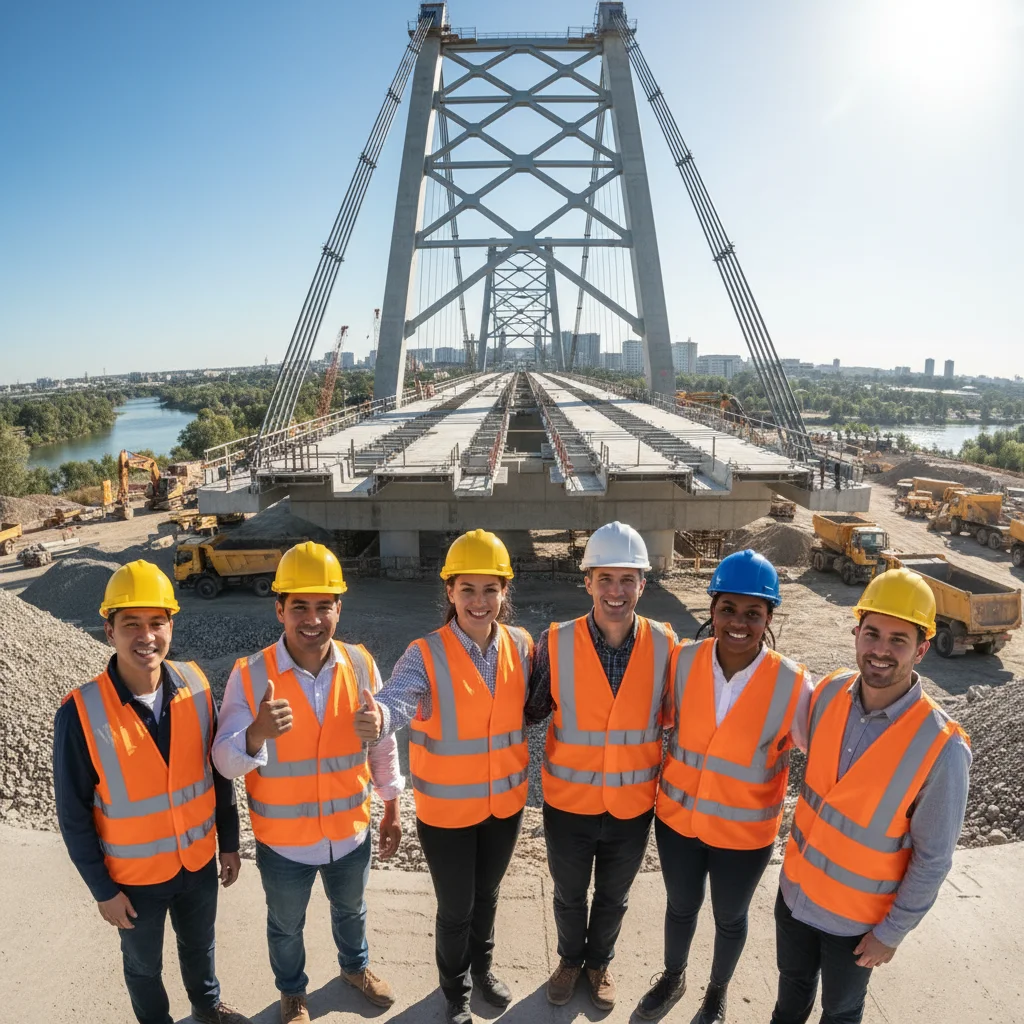
This is arguably the most direct beneficiary. The demand for construction workers – from heavy equipment operators and ironworkers to electricians, plumbers, carpenters, and civil engineers – will skyrocket. Road and bridge repair, new public transit systems, upgrades to water and wastewater treatment plants, and the construction of new energy grids will all require a robust workforce. This sector will see not only an increase in entry-level positions but also a strong demand for experienced supervisors and project managers.
- Roads, Bridges, and Transit: Extensive projects will require civil engineers, asphalt workers, heavy equipment operators, concrete finishers, and traffic control specialists.
- Water and Wastewater: Engineers, pipefitters, welders, and environmental technicians will be in high demand for upgrading and replacing aging water infrastructure.
- Buildings and Facilities: Renovation and construction of public buildings, schools, and healthcare facilities will drive demand for general contractors, carpenters, electricians, and HVAC technicians.
2. Manufacturing and Supply Chain
The emphasis on ‘Buy American’ provisions within the infrastructure bills means that domestic manufacturing will play a critical role. Factories producing steel, cement, pipes, cables, and other construction materials will need to scale up production, leading to new jobs in manufacturing plants. Furthermore, the logistics and transportation sectors responsible for moving these materials will also see increased activity, creating opportunities for truck drivers, warehouse workers, and supply chain managers.
- Material Production: Jobs in steel mills, concrete plants, lumber mills, and electronics manufacturing facilities.
- Logistics and Transportation: Truck drivers, dispatchers, warehouse personnel, and rail workers.
3. Clean Energy and Green Infrastructure
A significant portion of the spending is dedicated to transitioning to a clean energy economy. This includes investments in renewable energy sources like solar and wind, electric vehicle charging infrastructure, and grid modernization. This will create a new wave of ‘green jobs’ in:
- Renewable Energy Installation: Solar panel installers, wind turbine technicians, and geothermal system specialists.
- Electric Vehicle Infrastructure: Electricians for charging station installation and maintenance, and manufacturing jobs for EV components.
- Grid Modernization: Electrical engineers, smart grid technicians, and cybersecurity specialists to protect energy infrastructure.
4. Digital Infrastructure (Broadband)
Expanding high-speed internet access to underserved areas is a major component of the infrastructure plan. This will generate jobs in laying fiber optic cables, installing network equipment, and providing technical support. The demand for telecommunications engineers, fiber optic technicians, and IT professionals will surge.
- Fiber Optic Installation: Technicians for laying and connecting fiber optic cables.
- Network Engineering: Engineers to design and implement broadband networks.
- IT Support: Technicians for maintenance and customer service related to new broadband services.
5. Engineering, Architecture, and Project Management
Before any physical construction begins, there’s a critical need for planning, design, and oversight. Engineers (civil, electrical, environmental), architects, urban planners, and project managers will be essential for conceptualizing, designing, and managing the myriad of projects funded by these bills. This intellectual capital forms the backbone of successful infrastructure development, ensuring projects are efficient, sustainable, and meet community needs.
- Design and Planning: Civil engineers, structural engineers, architects, and urban planners.
- Project Oversight: Construction managers, project coordinators, and quality assurance specialists.

Geographic Distribution of Opportunities
While the impact will be felt nationwide, the specific types and concentrations of jobs will vary by region. Rural areas, which often suffer from aging infrastructure and lack of broadband access, are expected to see significant investments in these areas, creating localized booms in construction and telecommunications. Urban centers will likely focus on modernizing public transit, upgrading water systems, and building resilient infrastructure to combat climate change effects.
States with existing manufacturing bases are well-positioned to benefit from increased demand for materials. Regions with abundant renewable energy resources will see a surge in clean energy project development. Local governments and economic development agencies are already working to identify key projects and attract the necessary workforce, making the infrastructure job market a truly localized phenomenon.
Challenges and Opportunities for Workforce Development
Despite the immense opportunities, there are significant challenges in meeting the demand for skilled labor. The United States has faced a long-standing shortage of skilled trades workers, a situation that could be exacerbated by the sudden surge in infrastructure projects. Addressing this gap is critical to the successful implementation of these bills and to maximizing their positive impact on the infrastructure job market.
Addressing the Skills Gap
To ensure a robust workforce, several strategies are being implemented and will need to be scaled up over the next 18 months:
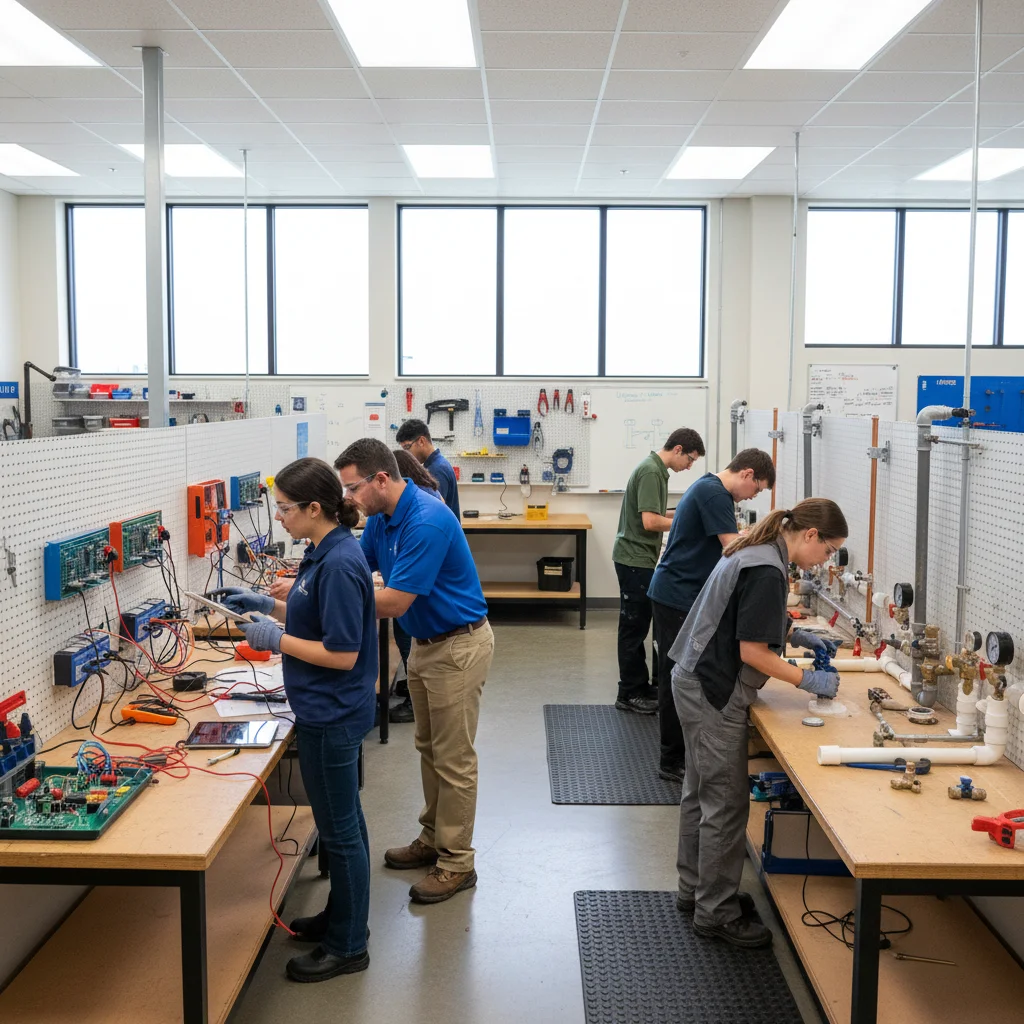
- Apprenticeship Programs: Expanding and promoting apprenticeships in construction, manufacturing, and clean energy trades is vital. These programs provide on-the-job training combined with classroom instruction, creating a direct pipeline to skilled employment.
- Community College and Vocational Training: Community colleges and vocational schools are crucial partners in workforce development. They can quickly adapt curricula to meet industry needs, offering certifications and associate degrees in high-demand fields.
- K-12 Pathways: Introducing vocational and technical education earlier in the education system can inspire younger generations to pursue careers in the trades and STEM fields relevant to infrastructure.
- Upskilling and Reskilling Initiatives: Programs designed to train existing workers in new technologies or transition workers from declining industries into infrastructure-related roles will be essential. This includes training for digital skills, green technologies, and advanced manufacturing processes.
- Diversity and Inclusion: Actively recruiting women, minorities, and veterans into these growing sectors is not only equitable but also necessary to fill the vast number of open positions. Programs specifically targeting these demographics can help broaden the talent pool.
The Role of Local Governments and Businesses
Local governments are at the forefront of identifying specific infrastructure needs and securing federal funding. They also play a crucial role in coordinating with educational institutions and local businesses to develop targeted workforce training programs. Businesses, in turn, must invest in training their current employees and collaborate with educational providers to ensure that training programs align with actual industry demands. This collaborative ecosystem is fundamental to building a sustainable infrastructure job market.
Long-Term Economic Benefits Beyond Direct Job Creation
The impact of these infrastructure investments extends far beyond the direct jobs created in the short to medium term. Over the next 18 months and beyond, the improvements in infrastructure will yield significant long-term economic benefits:
- Increased Productivity: Modernized transportation networks reduce commute times and shipping costs, making businesses more efficient. Reliable broadband access enables remote work and expands market reach for small businesses.
- Enhanced Competitiveness: A robust infrastructure makes a region more attractive to new businesses and investments, fostering long-term economic growth and diversification.
- Improved Quality of Life: Better roads, cleaner water, and accessible public transit enhance the daily lives of residents, leading to healthier and more vibrant communities.
- Resilience to Climate Change: Investments in resilient infrastructure protect communities from extreme weather events, reducing economic losses and safeguarding lives.
- Innovation and Technological Advancement: The development of smart cities, advanced energy grids, and high-speed rail encourages innovation and the adoption of cutting-edge technologies, creating further job opportunities in tech and R&D.
The sustained investment in infrastructure can also help stabilize local economies, providing a buffer against economic downturns. The jobs created are often well-paying, unionized positions that offer benefits and career progression, contributing to a stronger middle class and reduced income inequality.
Preparing for the Future: Recommendations for Stakeholders
To fully capitalize on the opportunities presented by the burgeoning infrastructure job market, various stakeholders must act strategically:
For Job Seekers:
- Explore In-Demand Trades: Research careers in construction, manufacturing, clean energy, and telecommunications. Many offer excellent pay and benefits without requiring a four-year degree.
- Seek Training: Enroll in apprenticeship programs, vocational schools, or community college courses to acquire the necessary skills and certifications.
- Network: Connect with local contractors, unions, and workforce development agencies to learn about upcoming projects and job openings.
\
For Businesses:
- Invest in Training: Develop internal training programs or partner with educational institutions to upskill your workforce.
- Embrace Technology: Adopt new technologies and sustainable practices to bid on and execute infrastructure projects more efficiently.
- Collaborate: Work with local governments and other businesses to form consortia that can collectively bid on larger projects and share resources.
For Educational Institutions:
- Align Curricula: Continuously update programs to reflect the evolving needs of the infrastructure industry, focusing on practical, hands-on skills.
- Promote STEM and Trades: Engage with K-12 schools to promote interest in STEM fields and skilled trades from an early age.
- Expand Capacity: Increase the capacity of training programs to accommodate the anticipated surge in demand for skilled workers.
For Local Governments:
- Strategic Planning: Develop comprehensive infrastructure plans that align with federal funding priorities and local community needs.
- Workforce Partnerships: Foster strong partnerships between businesses, labor unions, and educational institutions to create effective workforce pipelines.
- Streamline Permitting: Expedite permitting processes for infrastructure projects to ensure timely execution and job creation.
Conclusion
The recent infrastructure spending bills represent a generational investment in the future of the United States. Over the next 18 months, their impact on local job markets will be profound and multifaceted, creating a wealth of opportunities across construction, manufacturing, clean energy, and digital infrastructure sectors. While challenges exist, particularly in addressing the skilled labor shortage, a concerted effort from all stakeholders – job seekers, businesses, educational institutions, and local governments – can ensure that these investments translate into sustainable economic growth and a more resilient, prosperous future for communities nationwide. The revitalization of the infrastructure job market is not just about building roads and bridges; it’s about building careers, strengthening communities, and laying the groundwork for a competitive 21st-century economy.