The 5 Key Local Environmental Initiatives Shaping Communities in 2026
In an era defined by increasing environmental consciousness and the urgent need for sustainable practices, local communities are emerging as crucial battlegrounds for ecological preservation and innovation. The year 2026 is poised to be a landmark year, witnessing the widespread adoption and scaling of several pivotal local environmental initiatives. These initiatives, driven by grassroots activism, progressive local governments, and collaborative partnerships, are not merely about mitigating climate change; they are about fundamentally reshaping our neighborhoods, fostering resilience, and creating healthier, more vibrant places to live. Understanding these five key initiatives is essential for anyone interested in the future of sustainable living, community development, and environmental stewardship.
The global conversation around climate change often focuses on national and international policies, but the real impact, the tangible changes that affect daily lives, often stem from actions taken at the local level. From urban planning to waste management, energy consumption to biodiversity protection, local environmental initiatives are demonstrating that collective action, even on a smaller scale, can lead to monumental shifts. These efforts are not just reactive; they are proactive, designed to build a sustainable future from the ground up. As we delve into the top 5 initiatives for 2026, we will explore their scope, their potential impact, and how they are empowering citizens to become active participants in environmental change.
Anúncios
The power of local action lies in its ability to directly address specific community needs and leverage local resources. It allows for tailored solutions that are often more effective and sustainable than top-down mandates. Furthermore, local environmental initiatives often foster a stronger sense of community ownership and engagement, as residents can see the direct benefits of their efforts. This article will provide a comprehensive overview of the five most impactful initiatives expected to gain significant traction in 2026, offering insights into their mechanisms, benefits, and the role individuals and organizations can play in their success.
Anúncios
1. The Rise of Hyper-Local Renewable Energy Grids
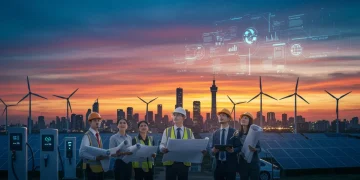
One of the most transformative local environmental initiatives gaining momentum is the development of hyper-local renewable energy grids. These microgrids are designed to generate, distribute, and manage power within a confined geographic area, such as a neighborhood, a university campus, or an industrial park, primarily using renewable sources like solar, wind, and geothermal energy. In 2026, we anticipate a significant acceleration in the deployment of these grids, driven by advancements in battery storage technology, smart grid management systems, and increasing community desire for energy independence and resilience.
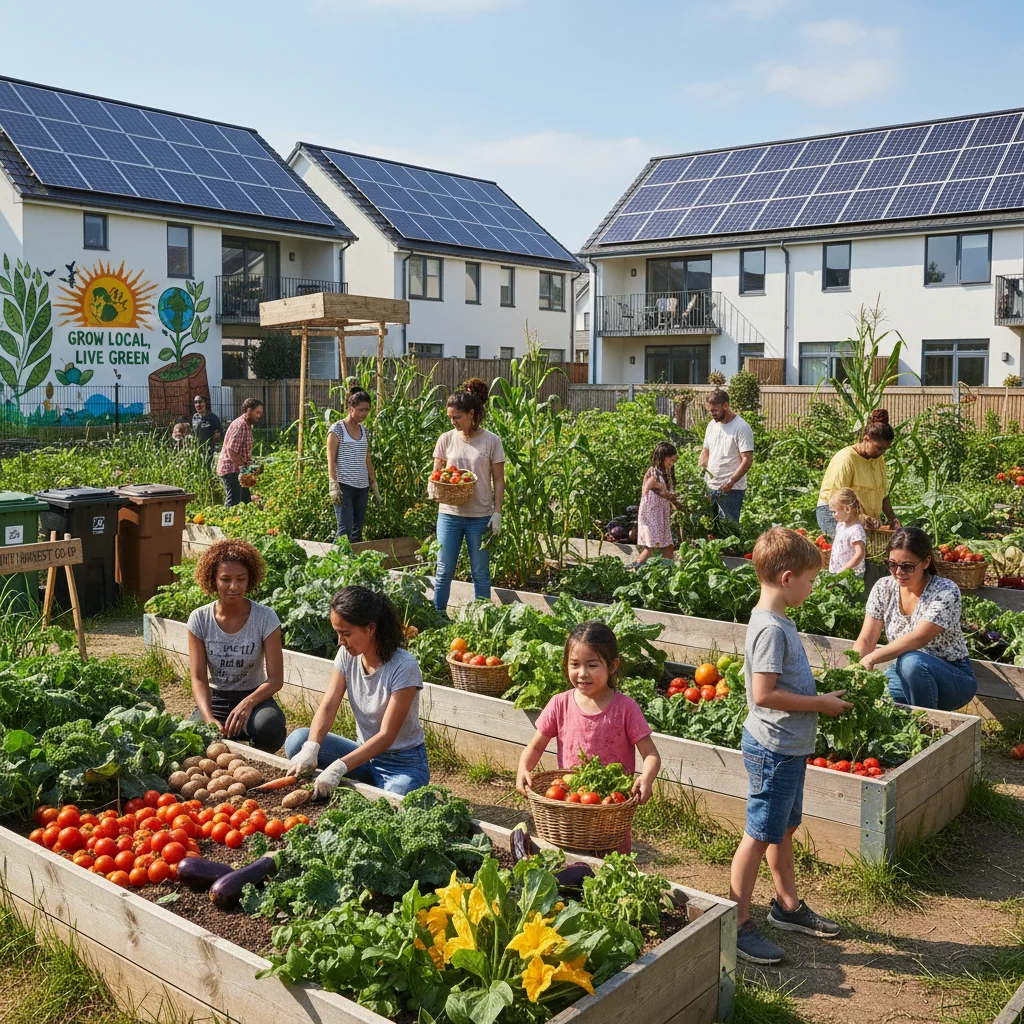
The traditional centralized power grid is vulnerable to disruptions, whether from natural disasters, cyber-attacks, or infrastructure failures. Hyper-local grids offer a robust alternative, providing energy security and stability. They reduce reliance on fossil fuels, significantly lowering carbon emissions, and empower communities to take control of their energy future. Imagine a neighborhood where homes are powered by rooftop solar panels, with excess energy stored in communal batteries and shared among residents. This not only reduces electricity bills but also fosters a sense of collective responsibility and self-sufficiency.
Key components of these initiatives include:
- Community Solar Programs: Allowing residents to invest in and benefit from shared solar installations, even if they cannot install panels on their own homes.
- Battery Storage Solutions: Advanced battery technology that stores surplus renewable energy for use during peak demand or when renewable generation is low.
- Smart Grid Technologies: Intelligent systems that optimize energy distribution, predict demand, and integrate various renewable sources seamlessly.
- Local Energy Cooperatives: Organizations that manage and operate these grids, ensuring equitable access and benefits for all community members.
The impact of hyper-local renewable energy grids extends beyond environmental benefits. They stimulate local economies by creating green jobs, reduce energy costs for residents, and enhance community resilience in the face of external shocks. As 2026 approaches, more and more local governments and community groups are recognizing the immense potential of these initiatives to drive sustainable development and secure a clean energy future.
2. Urban Reforestation and Green Infrastructure Expansion
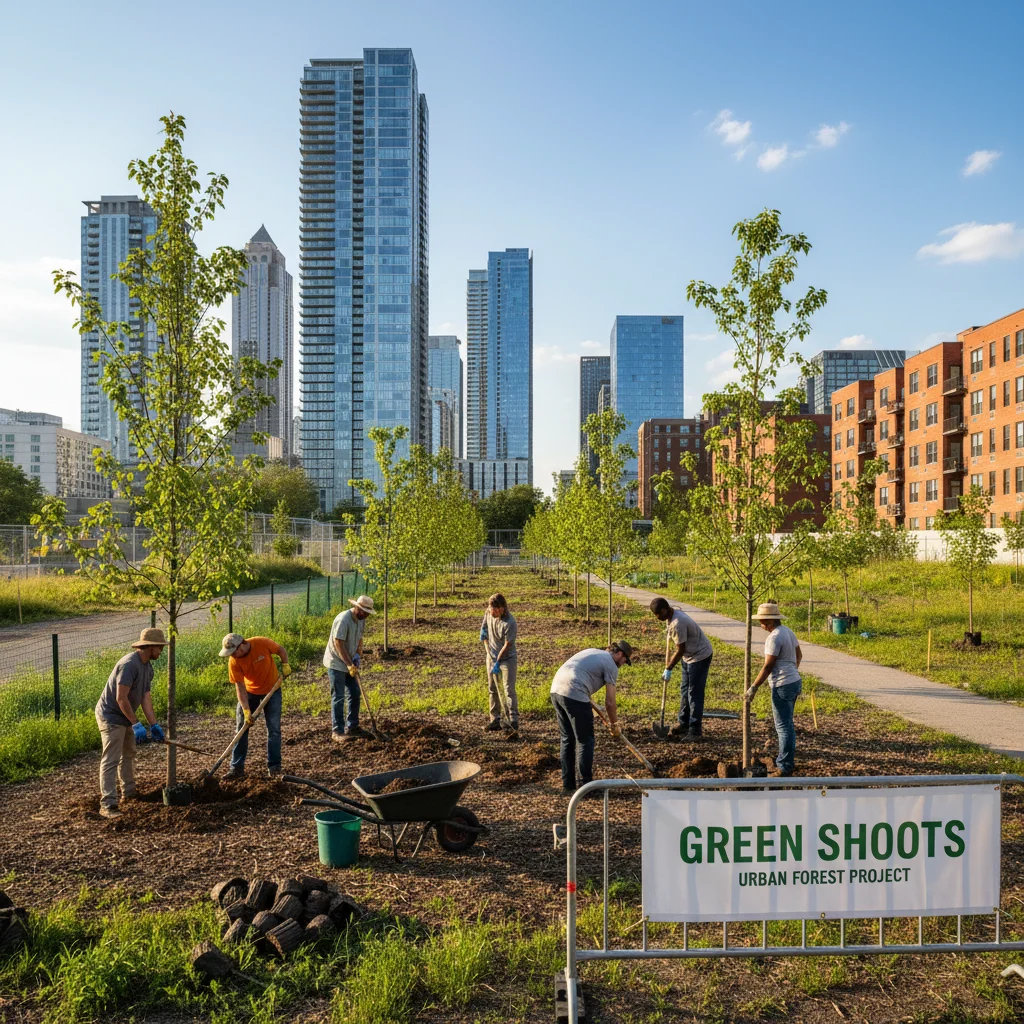
Another critical area of focus for local environmental initiatives in 2026 is the widespread expansion of urban reforestation and green infrastructure. As cities continue to grow, the need for green spaces becomes ever more pressing. Urban trees and green infrastructure elements like rain gardens, green roofs, and permeable pavements offer a multitude of environmental, social, and economic benefits. They combat the urban heat island effect, improve air quality, manage stormwater runoff, enhance biodiversity, and provide crucial recreational spaces for residents.
In 2026, we expect to see ambitious tree-planting campaigns in urban areas, not just for aesthetic purposes but as a strategic tool for climate resilience. These initiatives involve planting native tree species that are well-suited to the local climate and can thrive in urban conditions. Beyond individual trees, the focus is shifting towards creating interconnected green corridors that support wildlife and provide continuous ecological benefits. Green infrastructure projects are also becoming more sophisticated, integrating natural processes into urban design to manage water resources more effectively and reduce the burden on conventional infrastructure.
Consider the benefits:
- Air Quality Improvement: Trees absorb pollutants and produce oxygen, leading to healthier urban air.
- Stormwater Management: Green roofs and permeable surfaces reduce runoff, preventing flooding and protecting water quality.
- Biodiversity Enhancement: Urban green spaces provide habitats for birds, insects, and other wildlife, increasing ecological diversity.
- Temperature Regulation: Trees provide shade and release water vapor, significantly cooling urban environments.
- Mental and Physical Health: Access to green spaces has been linked to reduced stress, improved mood, and increased physical activity.
Many cities are setting aggressive targets for increasing their tree canopy cover and implementing comprehensive green infrastructure plans. These local environmental initiatives often involve community participation, with residents volunteering to plant and maintain trees, fostering a sense of collective stewardship for their local environment. The integration of nature into urban planning is no longer a luxury but a necessity for creating livable, sustainable cities.
3. Circular Economy Principles in Local Waste Management
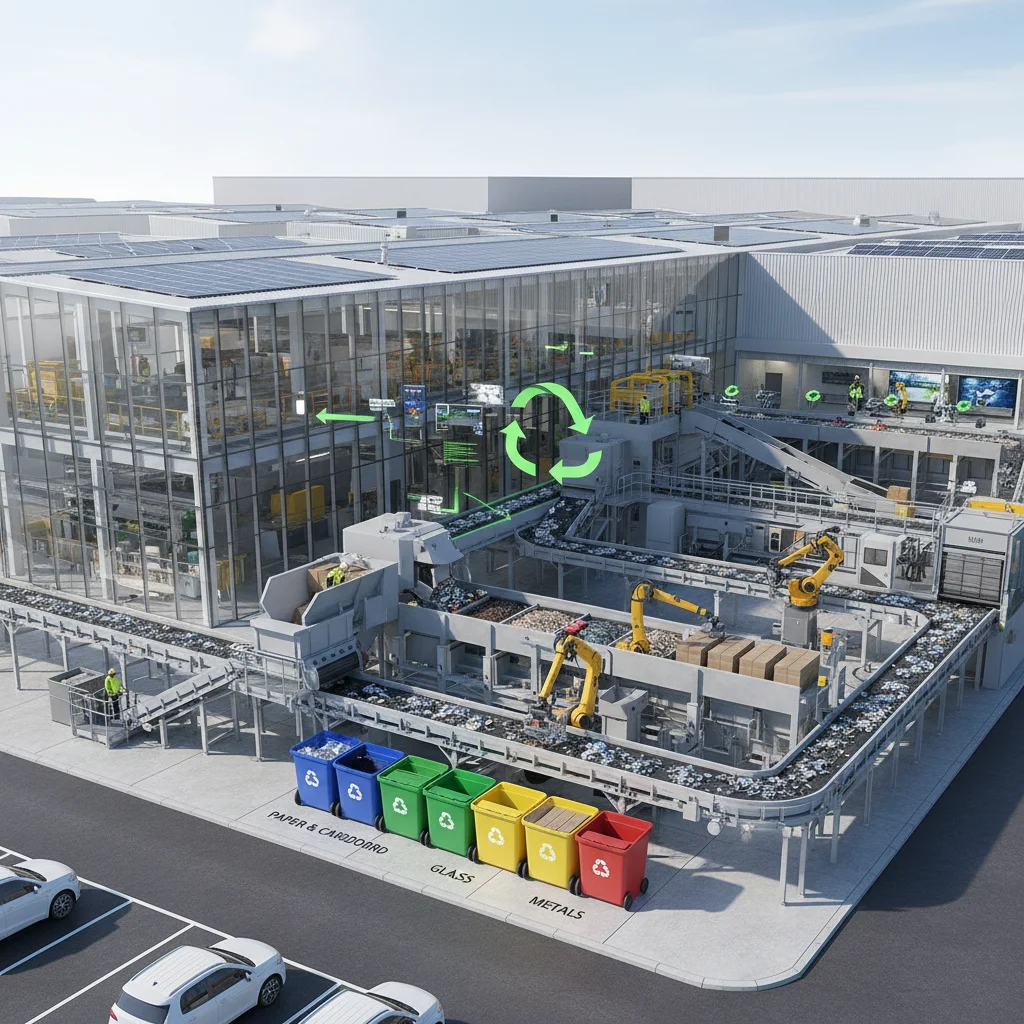
The traditional linear model of ‘take-make-dispose’ is proving unsustainable, and 2026 will see a strong push towards embedding circular economy principles within local waste management systems. This initiative goes beyond simple recycling; it aims to eliminate waste by redesigning products, processes, and business models to keep resources in use for as long as possible. The goal is to minimize virgin material extraction and reduce landfill waste to near zero, transforming waste into valuable resources.
Local environmental initiatives focused on the circular economy involve several key strategies:
- Extended Producer Responsibility (EPR): Holding manufacturers accountable for the entire lifecycle of their products, encouraging them to design for durability, repairability, and recyclability.
- Community Repair Cafes and Workshops: Providing spaces and tools for residents to repair broken items, reducing consumption and waste.
- Composting and Anaerobic Digestion: Diverting organic waste from landfills to create nutrient-rich compost or generate biogas, closing the loop on food and garden waste.
- Material Exchange Programs: Facilitating the reuse of materials between businesses and individuals, preventing useful items from being discarded.
- Zero-Waste Initiatives: Encouraging businesses and households to adopt practices that minimize waste generation, often through bulk purchasing, reusable containers, and conscious consumption.
The shift to a circular economy requires a fundamental change in mindset, from viewing waste as a problem to seeing it as an opportunity. Local governments are playing a crucial role by implementing policies that support circular practices, investing in infrastructure for sorting and processing materials, and educating the public. Businesses are also finding innovative ways to adopt circular models, from product-as-a-service offerings to using recycled content in their manufacturing processes.
The economic benefits are substantial, including job creation in repair, remanufacturing, and recycling sectors, as well as reduced costs associated with waste disposal and raw material acquisition. Environmentally, it means less pollution, lower greenhouse gas emissions, and a more efficient use of finite resources. In 2026, expect to see more communities embracing these holistic approaches to waste, transforming their local economies and environments.
4. Water Conservation and Smart Water Management Systems
Water scarcity and pollution are growing concerns globally, and local communities are at the forefront of developing innovative solutions. In 2026, local environmental initiatives focused on water conservation and smart water management systems will be paramount. These initiatives aim to optimize water use, protect water quality, and build resilience against droughts and floods, ensuring a sustainable water supply for future generations.
Smart water management integrates technology to monitor water usage, detect leaks, and manage distribution more efficiently. This includes sensors in water pipes, smart meters for homes and businesses, and data analytics platforms that provide real-time insights into water consumption patterns. Beyond technology, there’s a strong emphasis on natural solutions and community engagement:
- Rainwater Harvesting Systems: Encouraging residents and businesses to collect and store rainwater for irrigation, toilet flushing, and other non-potable uses.
- Greywater Recycling: Treating and reusing wastewater from sinks, showers, and laundry for landscaping or other non-drinking purposes.
- Xeriscaping and Drought-Tolerant Landscaping: Promoting the use of native, low-water plants in public and private gardens to reduce irrigation needs.
- Riparian Zone Restoration: Protecting and restoring natural vegetation along rivers and streams to filter pollutants, prevent erosion, and enhance aquatic habitats.
- Public Education Campaigns: Raising awareness about water conservation practices and the importance of responsible water use.
These initiatives are often collaborative, involving partnerships between municipal water utilities, environmental organizations, and local residents. By implementing smart technologies and promoting water-wise practices, communities can significantly reduce their overall water footprint, safeguard vital ecosystems, and prepare for the impacts of climate change on water resources. The success of these local environmental initiatives will be crucial for ensuring long-term water security and ecological health.
5. Community-Led Biodiversity Protection and Habitat Restoration
The global biodiversity crisis is as urgent as climate change, and local communities are increasingly recognizing their vital role in protecting and restoring local ecosystems. In 2026, we will see a significant increase in community-led biodiversity protection and habitat restoration projects. These local environmental initiatives focus on preserving native species, restoring degraded habitats, and creating ecological corridors within and around urban areas.
These initiatives are often driven by passionate local residents, citizen scientists, and environmental groups working in conjunction with local authorities. They involve practical actions that directly benefit local flora and fauna:
- Native Plant Gardens and Pollinator Pathways: Creating gardens and interconnected green spaces that provide food and habitat for native pollinators like bees and butterflies.
- Invasive Species Removal: Organizing volunteer efforts to remove non-native plant species that outcompete native vegetation and disrupt ecosystems.
- Wildlife Corridor Creation: Establishing safe passages for wildlife, such as underpasses or overpasses, to connect fragmented habitats.
- Citizen Science Programs: Engaging residents in monitoring local biodiversity, collecting data on bird populations, insect numbers, or plant health, contributing to scientific research and conservation efforts.
- Wetland and Stream Restoration: Restoring natural wetlands and stream banks to improve water quality, provide flood control, and create critical habitats.
The beauty of these initiatives lies in their direct impact and their ability to foster a deep connection between people and their local environment. By actively participating in habitat restoration, residents gain a greater appreciation for the natural world and understand the interconnectedness of ecosystems. These efforts are not just about protecting nature; they are about enriching community life, providing educational opportunities, and building a stronger sense of place. In 2026, expect to see more communities embracing their role as stewards of local biodiversity, turning their neighborhoods into thriving havens for both people and wildlife.
Conclusion: A Greener Future Through Local Action
The five local environmental initiatives discussed – hyper-local renewable energy grids, urban reforestation and green infrastructure, circular economy principles in waste management, water conservation and smart water systems, and community-led biodiversity protection – represent a powerful blueprint for sustainable community development in 2026 and beyond. Each initiative, while distinct in its focus, shares a common thread: the recognition that meaningful environmental change begins at home, in our neighborhoods, and through the collective efforts of engaged citizens.
These initiatives are more than just environmental programs; they are catalysts for social cohesion, economic innovation, and improved public health. They demonstrate that sustainable living is not a distant ideal but a tangible reality that can be built one community at a time. The challenges ahead are significant, but the growing commitment to local action provides immense hope. As we move further into the 21st century, the success of these local environmental initiatives will be crucial in determining our collective ability to create a resilient, equitable, and environmentally sound future for all.
Engaging with these initiatives, whether through volunteering, advocating for policy changes, or adopting sustainable practices in our daily lives, is a powerful way to contribute to a greener planet. The year 2026 will undoubtedly highlight the transformative power of local communities leading the charge towards a more sustainable world. It is a call to action for every individual, every local government, and every organization to embrace these opportunities and become an active participant in shaping a healthier, more vibrant future.